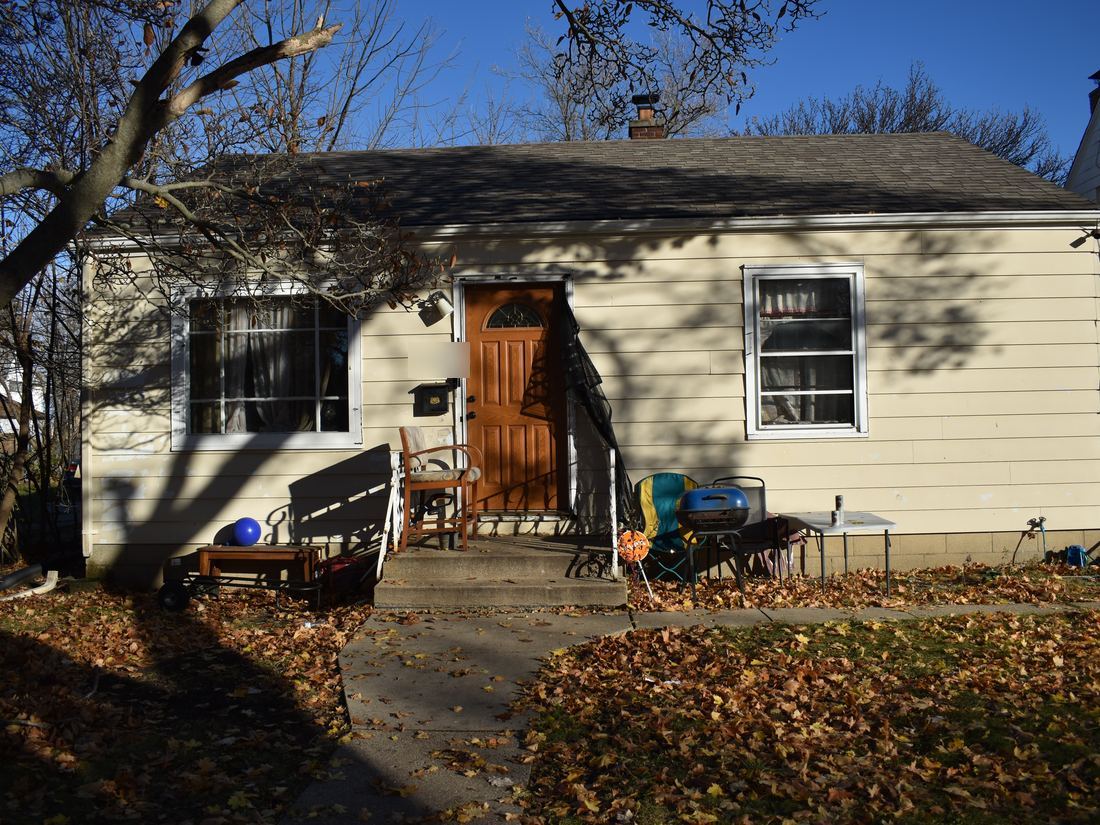
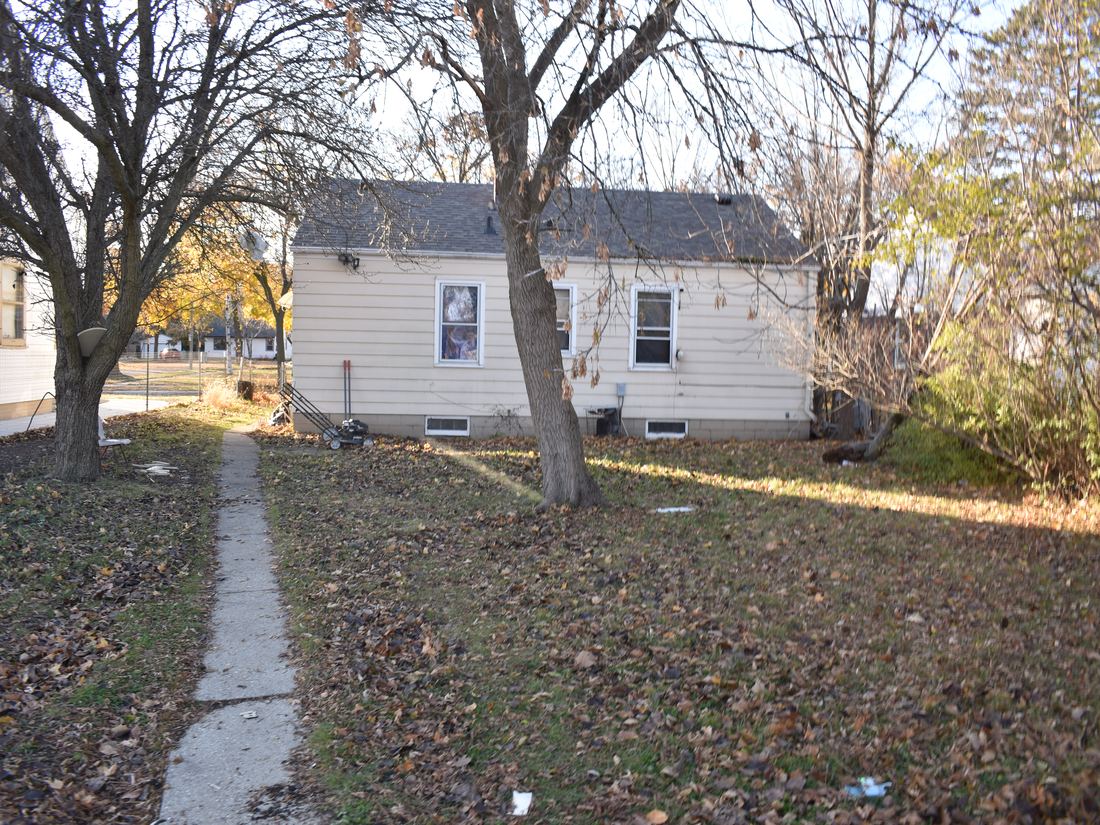
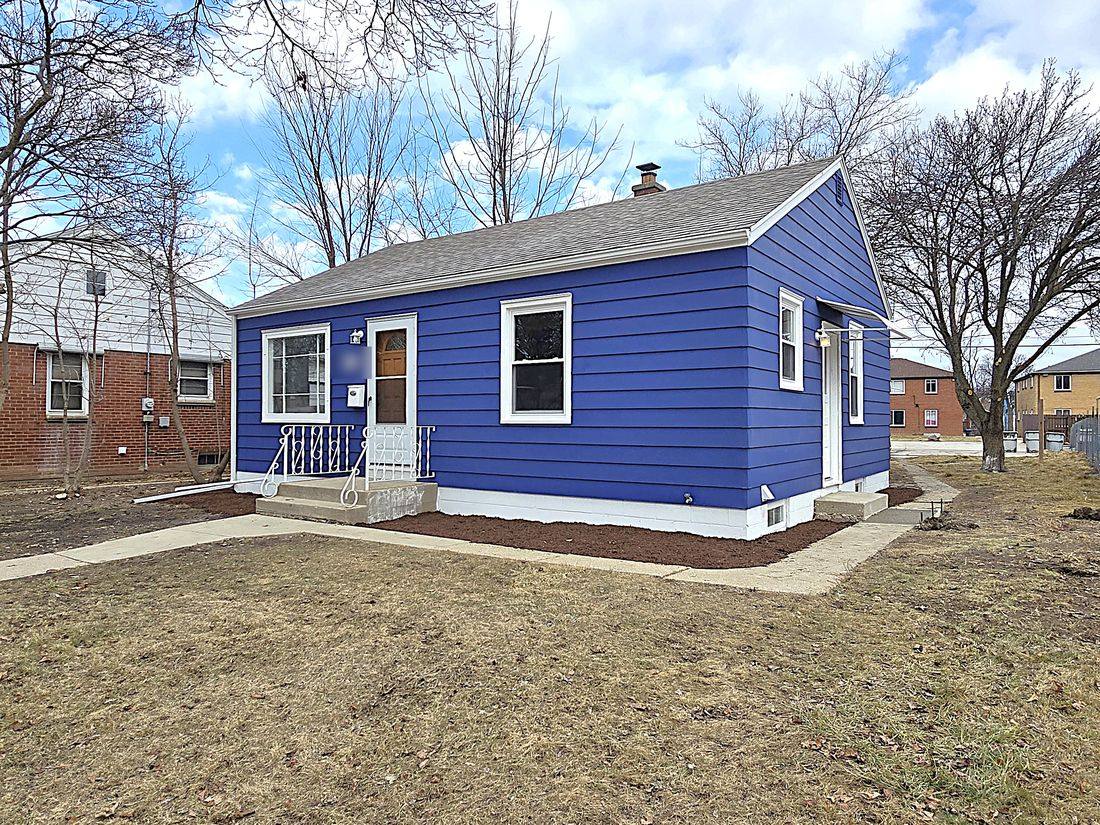
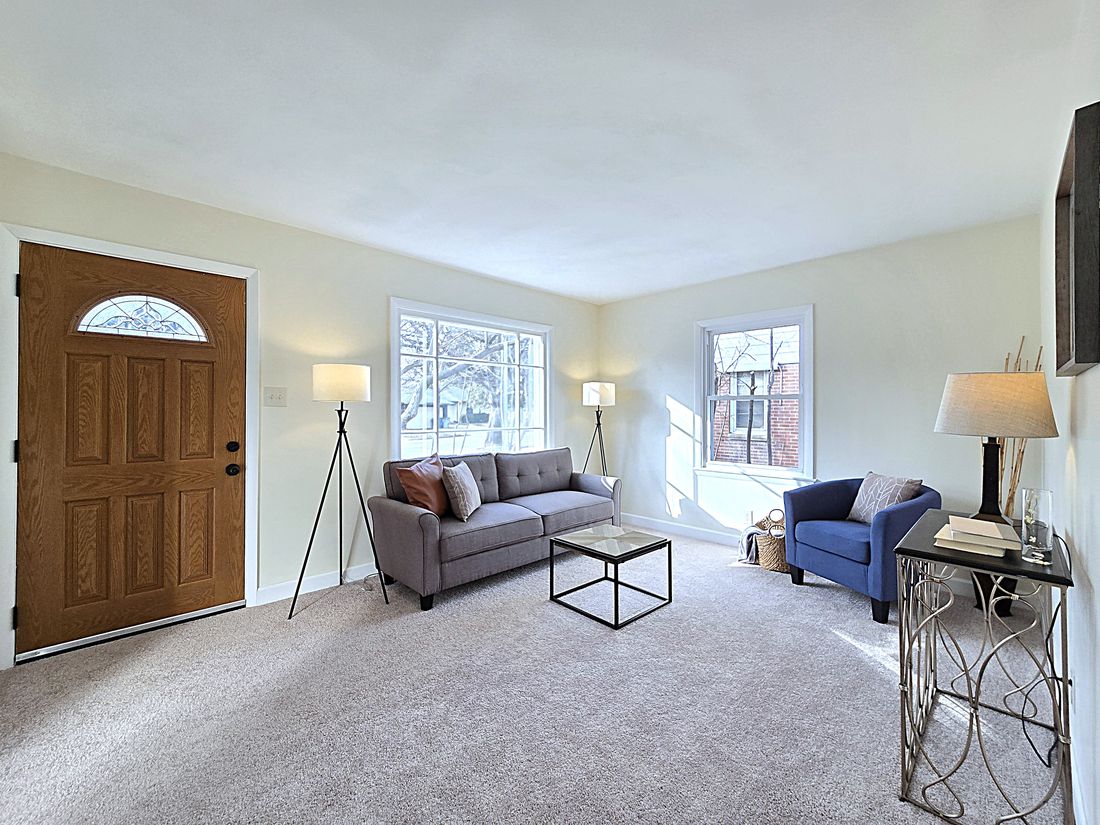
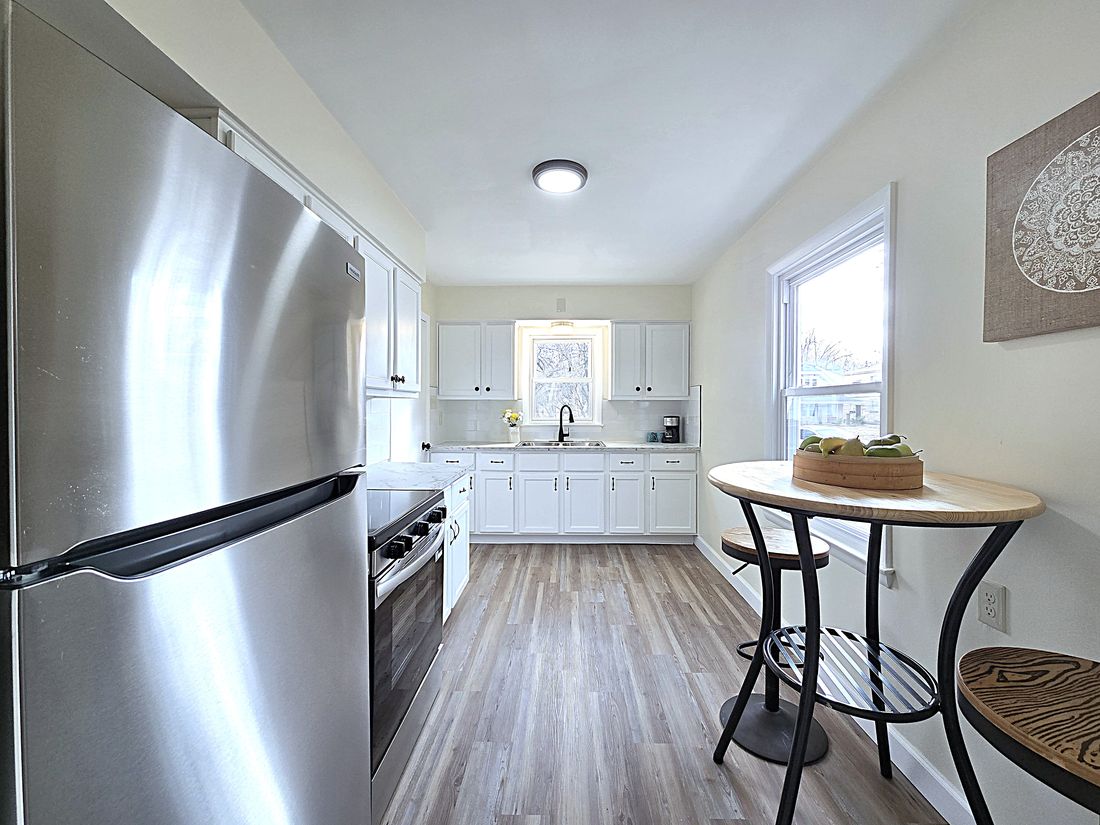
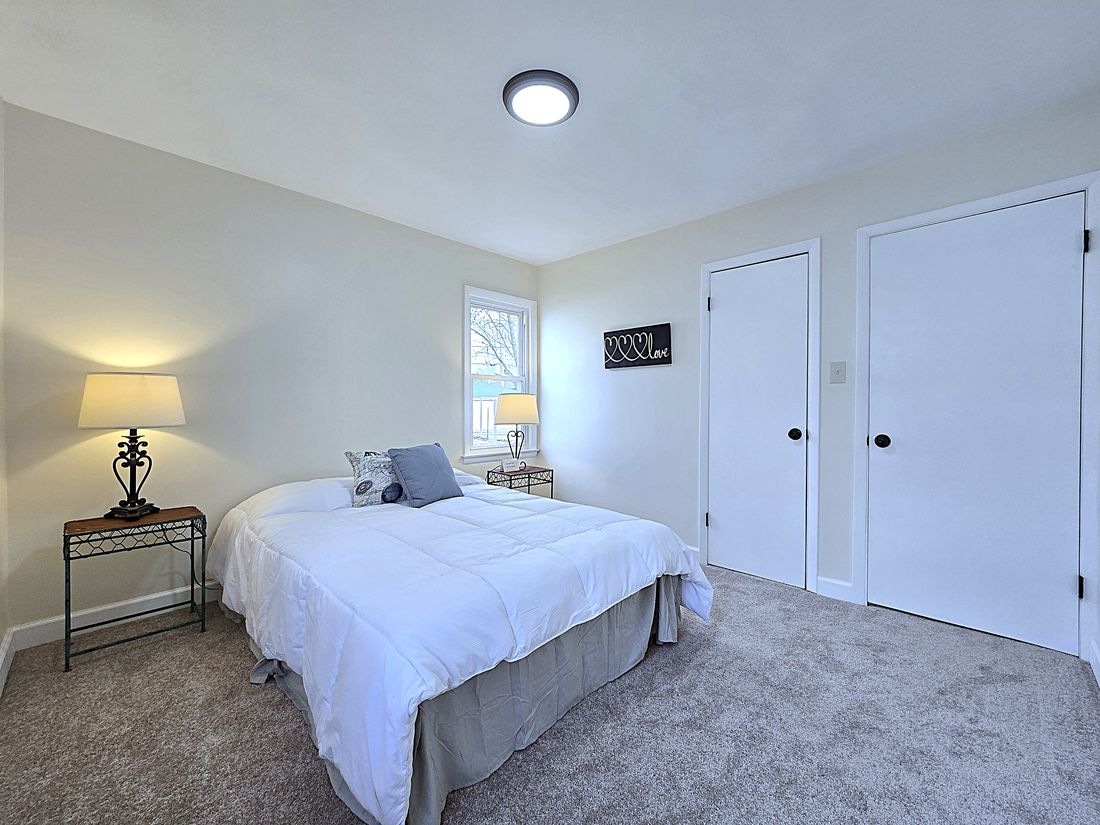
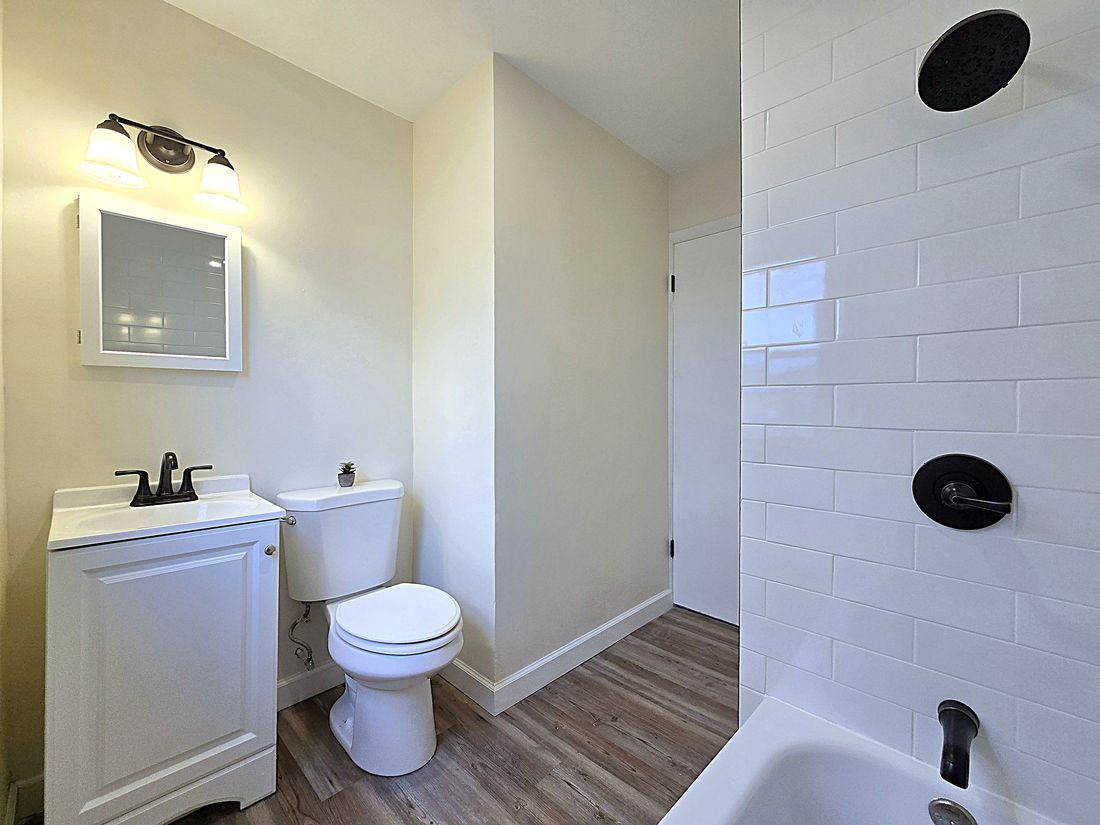
There was no mortgage on this house. It was owned outright — which sounds like the strongest position a homeowner can be in, and in this case had quietly become the opposite.
Without a lender collecting escrow, the property taxes were our seller's to pay directly, every year, on her own. They had slipped. Then the repairs started stacking up alongside them. And at some point the gap between what the house needed and what she could put into it stopped being something she could close.
She had already reached the honest conclusion herself: renting was the better option for her next chapter. She wasn't looking to be talked into selling. She was looking for a way out that left her with something.
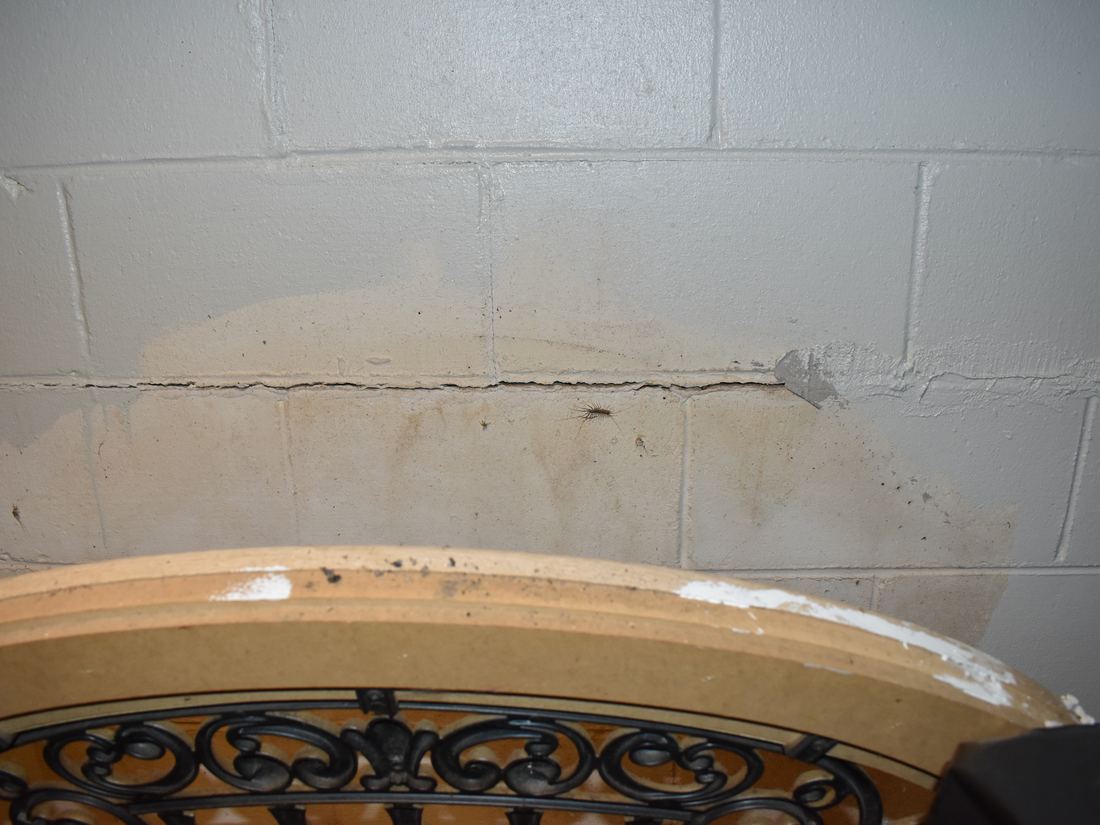
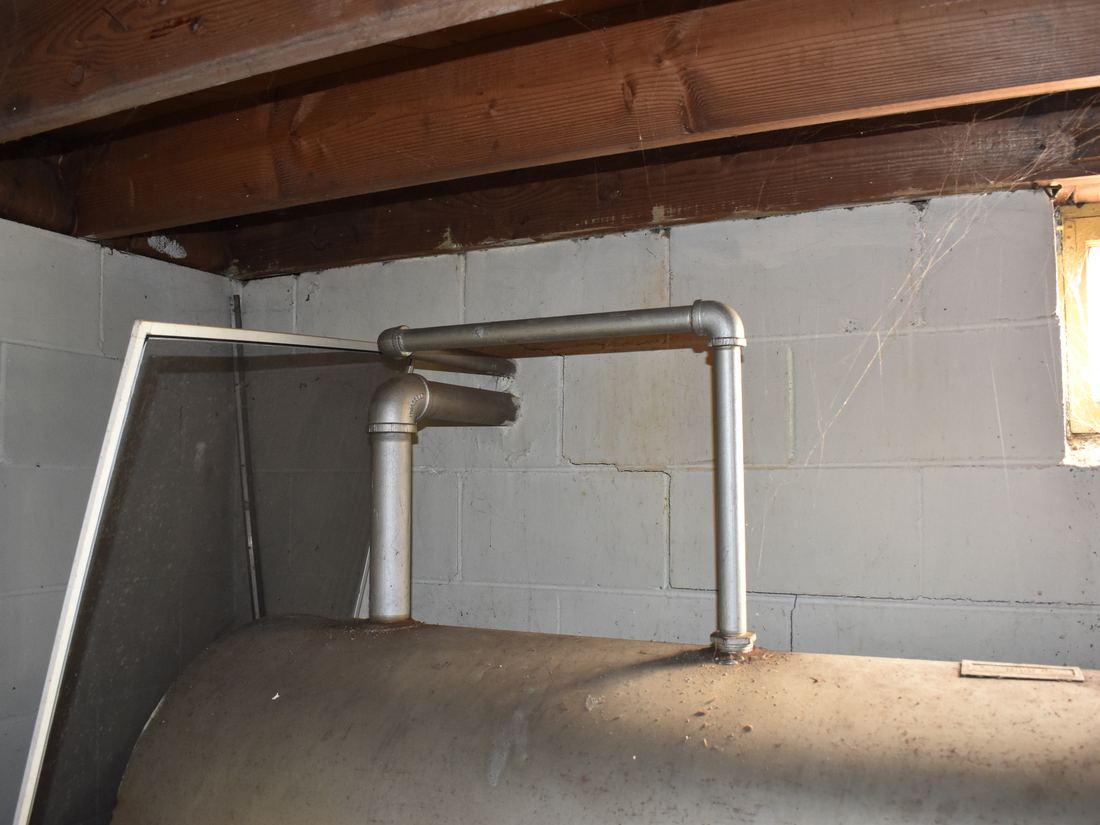
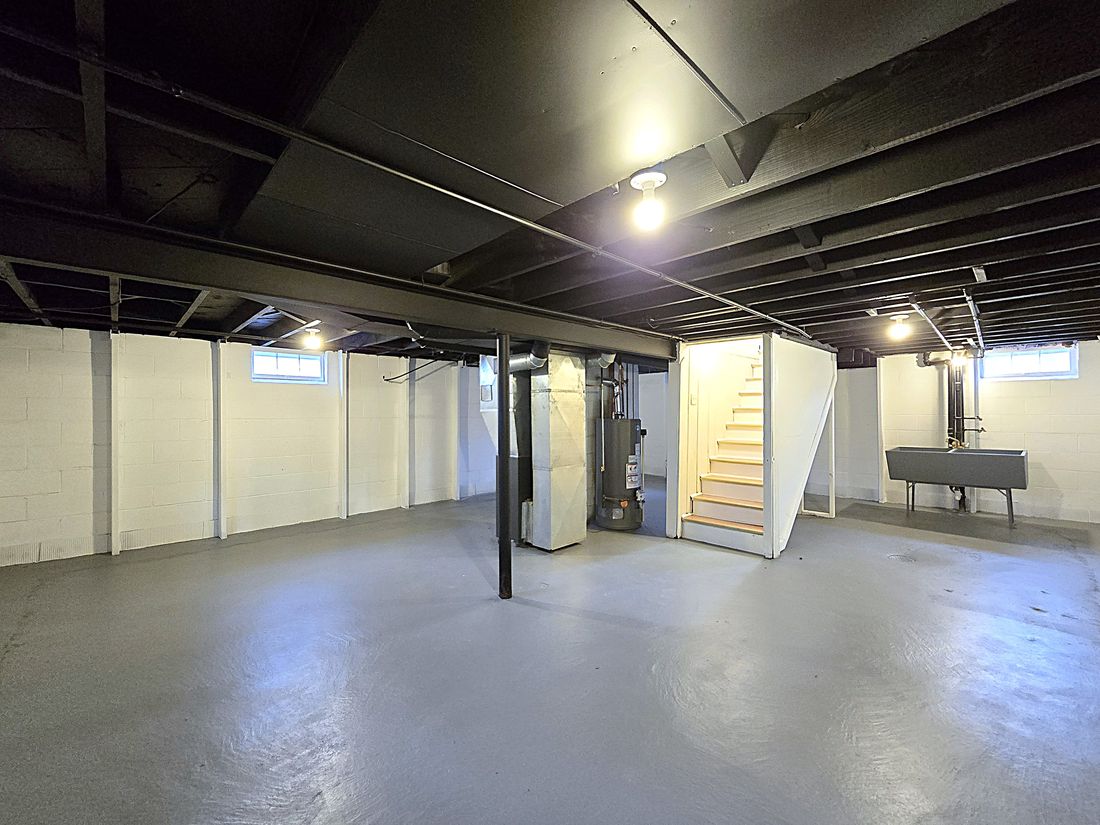
The house was in rough shape. Two dogs had been living inside, there was cosmetic damage throughout, and the basement had real foundation problems — a long horizontal crack across the north wall and step cracking at the south-east corner.
When we ran the numbers, we hit something that does happen and is always awkward to explain: the total delinquent tax balance was larger than our initial offer.
Taxes get paid off at closing before the seller sees a cent. So on those numbers she would have signed away the house, cleared the debt, and walked out of the title company with nothing at all. Technically a solution. Practically, no kind of fresh start.
Wisconsin's tax-delinquency process is slow but it does not stop — a tax certificate is issued, a redemption period runs, and eventually the county or the City of Milwaukee takes the property in rem. Our guide to Wisconsin property tax foreclosure sets out the timeline. Left alone, she would have lost the house and received nothing for it.
We raised our offer to cover the back taxes and leave her with money at closing.
That is the whole story of this project, and we include it because the alternative — shrugging and letting the numbers be the numbers — was available and would have been the easier call. The point of buying a house from someone in this position is that they end up better off. An offer that nets a seller zero does not do that.
We took the property as it stood: the dog damage, the cosmetic work throughout, and the foundation cracks in the basement that needed proper structural attention rather than filler and paint.
The tax balance was cleared in full at closing, and she left the title company with money in hand — which was the entire difference between a foreclosure that would have taken the house eventually and a sale she chose on her own terms.
She moved into a well-kept apartment in a good part of town, out of a house that had been steadily out-running her for years. She told us she was glad someone else would carry the ownership torch from here. So are we.
This is one of the most fixable situations we see, and the mistakes people make are consistent:
We buy houses with delinquent taxes and liens, homes facing foreclosure, properties that need full renovation, and rental property across Milwaukee and the surrounding counties.
Our market is Milwaukee and the nine counties around it — Milwaukee, Waukesha, Ozaukee, Washington, Racine, Kenosha, Walworth, Jefferson and Dane. That includes Wauwatosa, West Allis, Greenfield, Franklin, Oak Creek, South Milwaukee, Waukesha, Brookfield, New Berlin, Menomonee Falls, Mequon and West Bend. See every area on our locations page, or read how the process works.
No — and this is the single most common misunderstanding we run into. Delinquent property taxes are paid off at closing out of the sale proceeds by the title company. You are never asked to clear them first, and you don't need to find the money from anywhere.
Tell us, because it changes the conversation. On this sale the tax balance was actually higher than our first offer, which would have left the seller with nothing at closing. We increased the offer to cover the taxes and still put money in her hand. We can't always close that gap, but we would much rather try than let someone sign for zero.
It changes one important thing: nobody is collecting escrow on your behalf. With a mortgage the lender usually pays the taxes and tells you loudly if something is wrong. Owning outright means the taxes are entirely yours to track, which is why free-and-clear homes are surprisingly well represented among delinquent accounts.
Wisconsin runs a tax certificate followed by a redemption period, and then in-rem foreclosure — a process measured in years rather than months, and the City of Milwaukee collects its own taxes separately from the county. Our Wisconsin property tax foreclosure guide walks through the stages. The practical point is that you usually have more time than you fear, but it is finite.
Yes. This one had a horizontal crack along the north basement wall and step cracking at the corner — both real structural issues needing proper repair rather than cosmetic patching. We inspect, price it in, and take it on. You are not asked to fix or warrant it.
Not to the offer. Pet damage, odour, worn flooring and general cosmetic wear are normal for the houses we buy. Nothing needs cleaning, repairing or clearing out before we take it.
Selling is not a foreclosure. A completed sale that pays the tax balance in full closes the matter out, whereas letting an in-rem foreclosure run its course means losing the property and receiving nothing. Talk to your own advisor about your circumstances, but the two outcomes are not comparable.
Nothing out of pocket. No commission, no listing fees, no repairs and no cleanout charge. The offer is what you walk away with, after any liens and delinquent taxes are settled at closing.