Not the Highest Offer.
Just the One She Trusted.
The Situation
Our seller was leaving Wisconsin. She was going back to school, near where she grew up, in another state — and once she went, she was going to be several hundred miles from this house with no easy way to come back and deal with it.
That single fact shaped everything about what she needed from a sale. Not the biggest number. A closing that would actually happen, on the date it was supposed to happen, before she left.
She did her homework properly. She contacted a number of cash buyers in the area, compared what they told her, and worked out who she believed.
Why the Highest Offer Wasn't the Best Offer
We'll say this plainly because it is the whole point of this project page: we were not the highest offer she received.
She chose us anyway, and told us why — she liked that we were straightforward with her and she trusted us to do what we said. We take that as one of the better compliments this business has to offer, and it is worth unpacking, because it is not sentimentality on her part. It was a correct risk calculation.
- An offer is only worth what it closes at. A higher number that renegotiates at week five, or slips its closing date by a month, is worth less than a lower number that lands on the day.
- She could not afford to come back. If a sale collapsed after she had moved, she would have been managing a vacant Wisconsin house from another state — or flying back to start again.
- Her timeline was fixed by a school term, not by preference. There was no version of this where she could simply wait another two months.
Our page on selling with certainty covers what actually makes a closing reliable, and the comparison page shows the arithmetic honestly.
What We Did
Two things mattered beyond the offer itself.
We closed on the date we said we would, before she left the state, so she never had to make a return trip.
She left behind anything she didn't want to move. This sounds minor and is not. Moving out of state is priced by weight and volume — every box of things you are keeping out of obligation rather than desire is money. Being able to walk away from the furniture, the contents of the basement and everything else she had been dreading packing took a genuine chunk out of both her moving bill and the last fortnight of her life here.
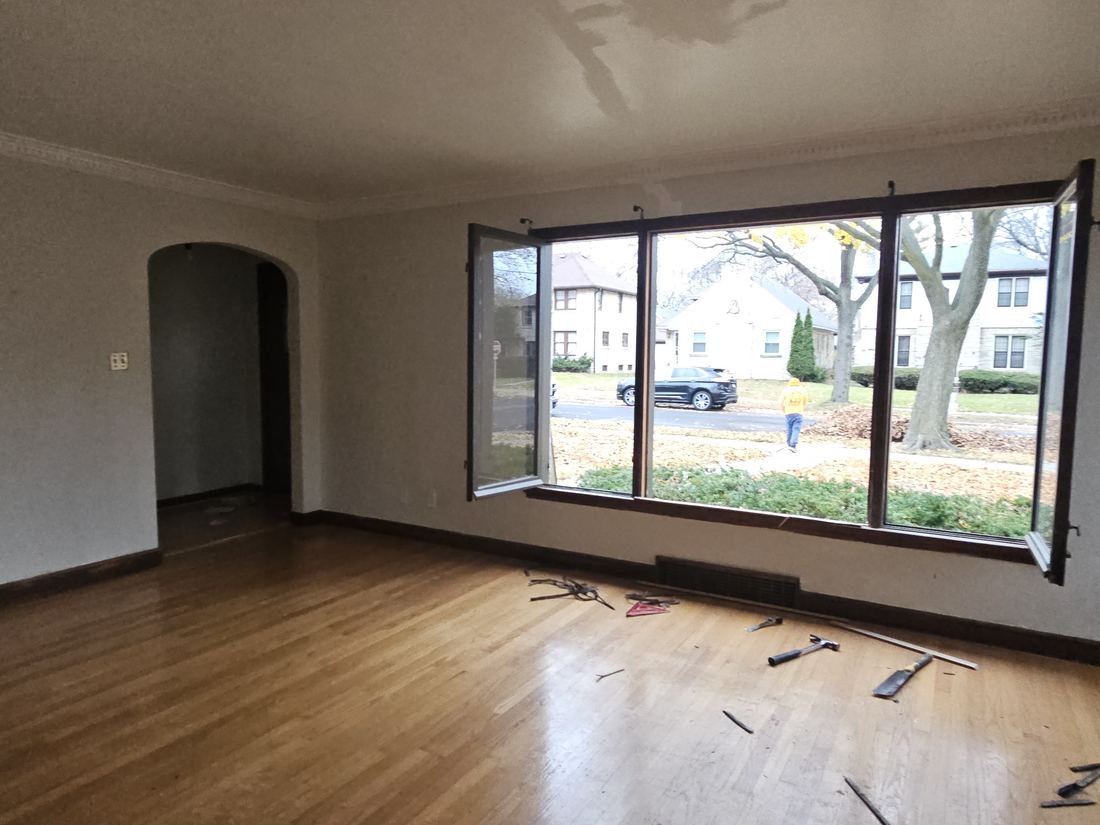
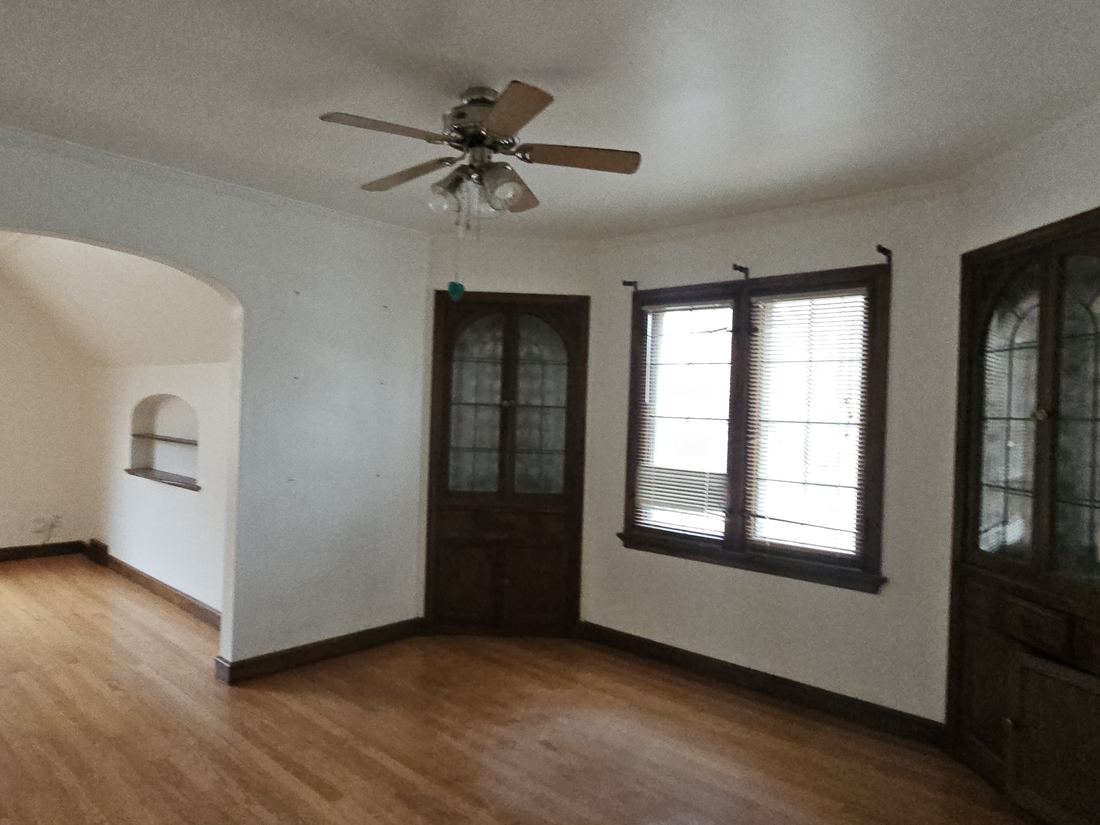
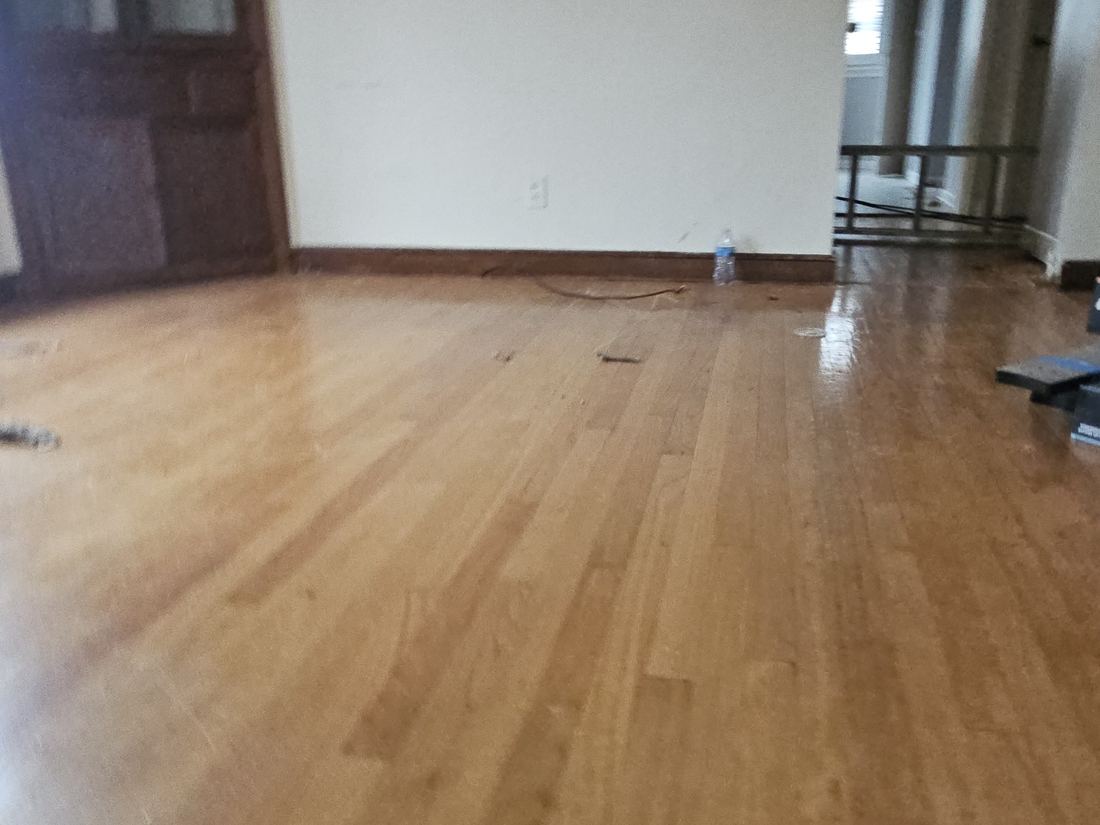
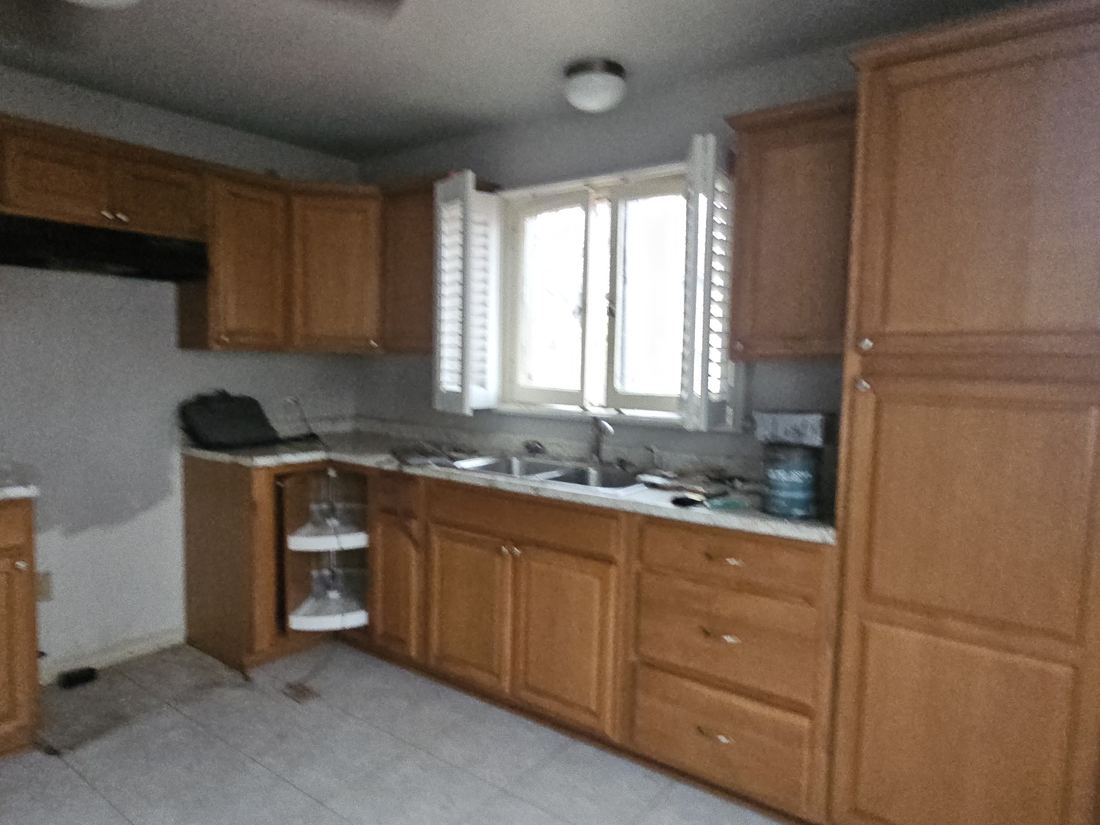
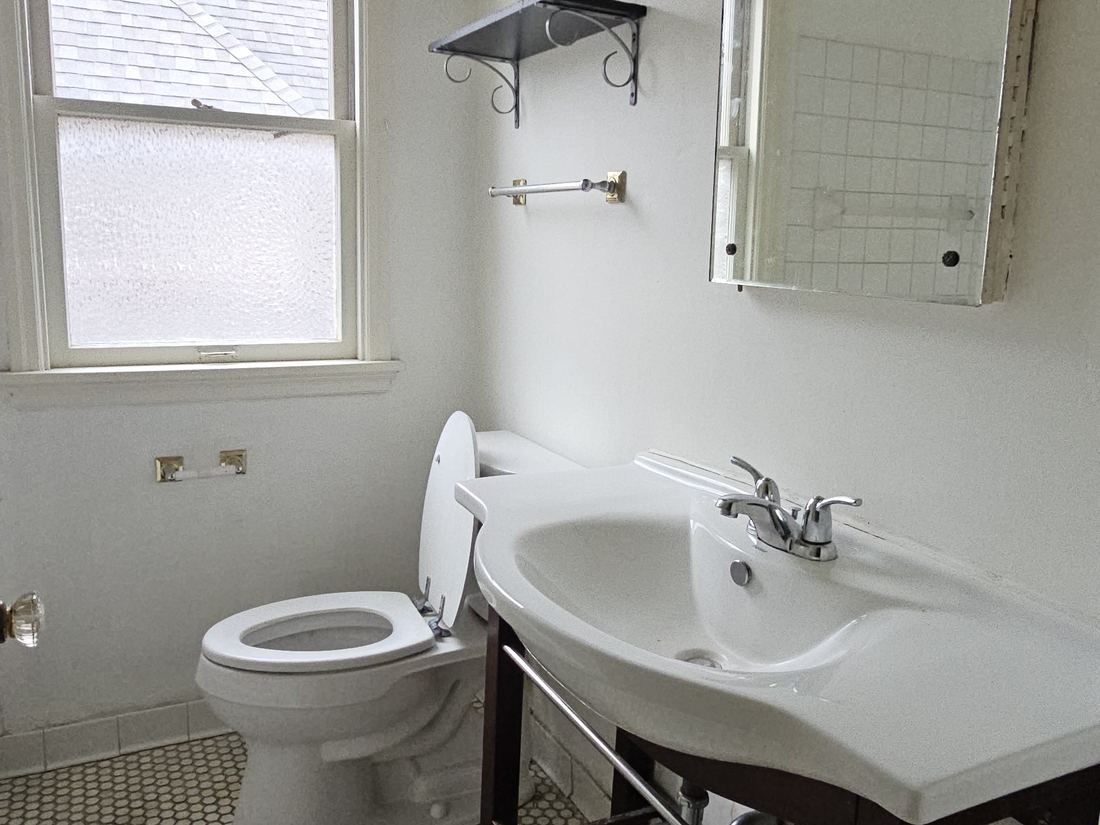
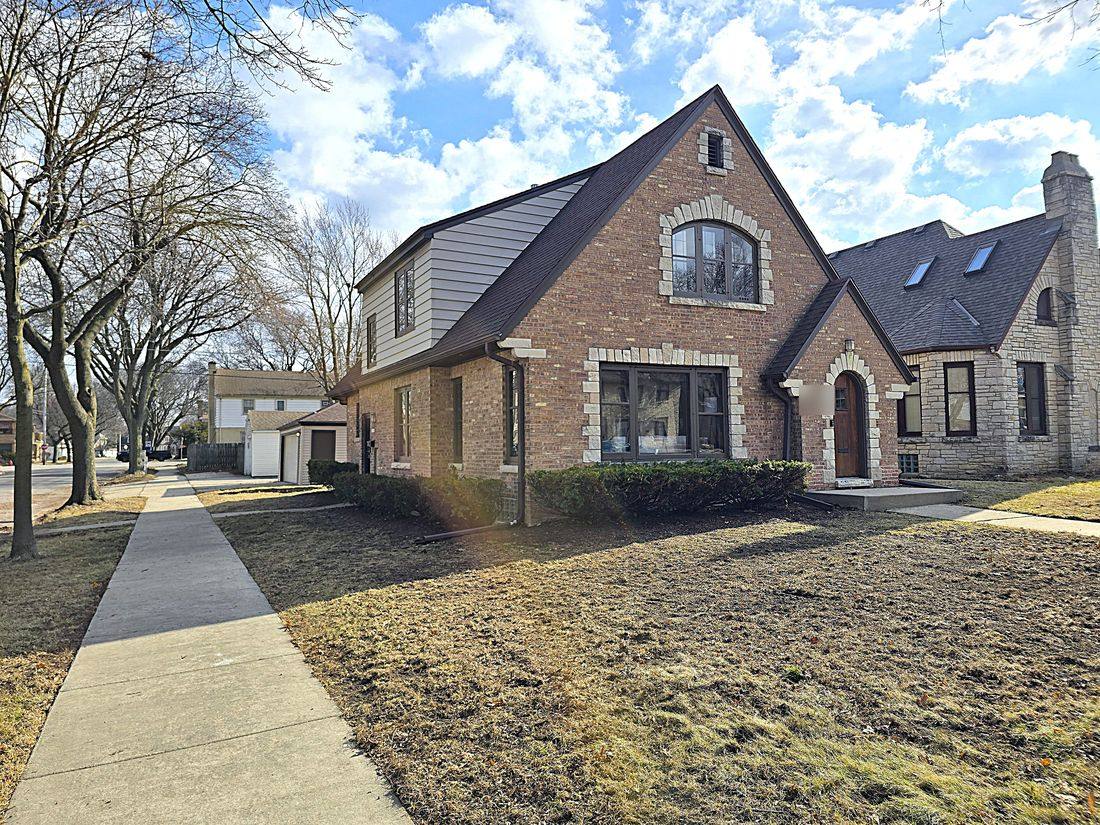
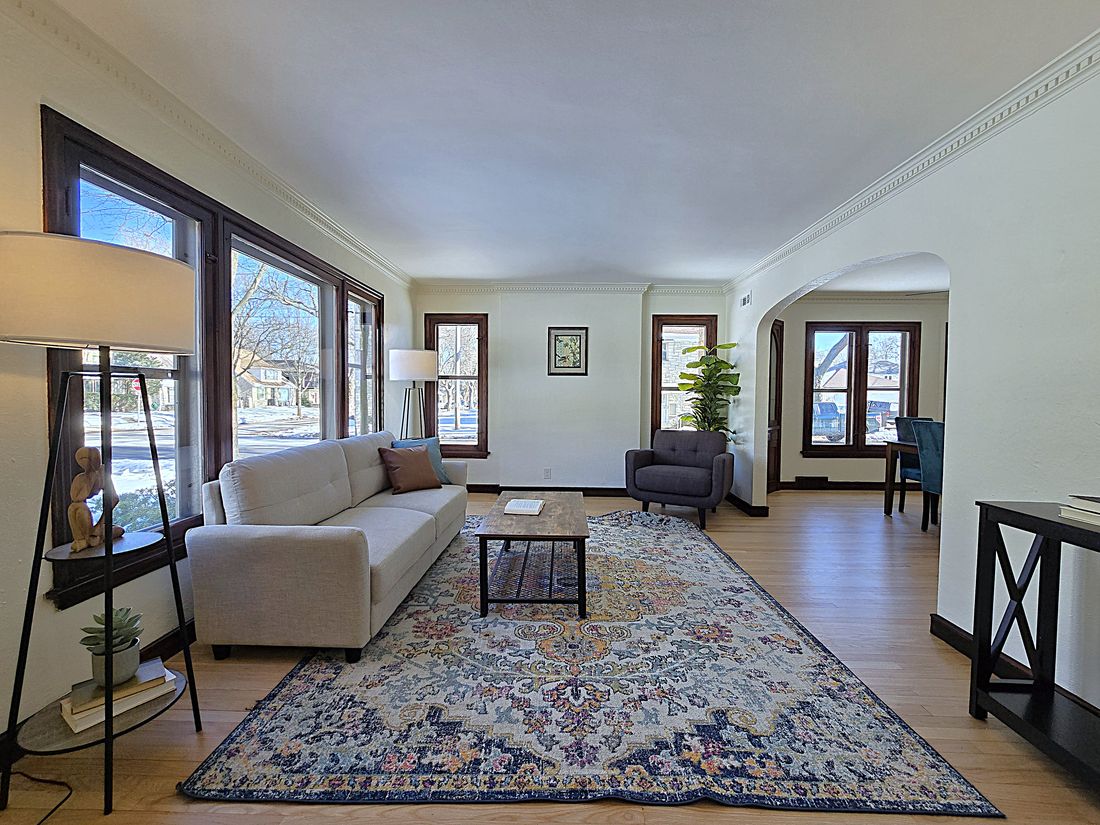
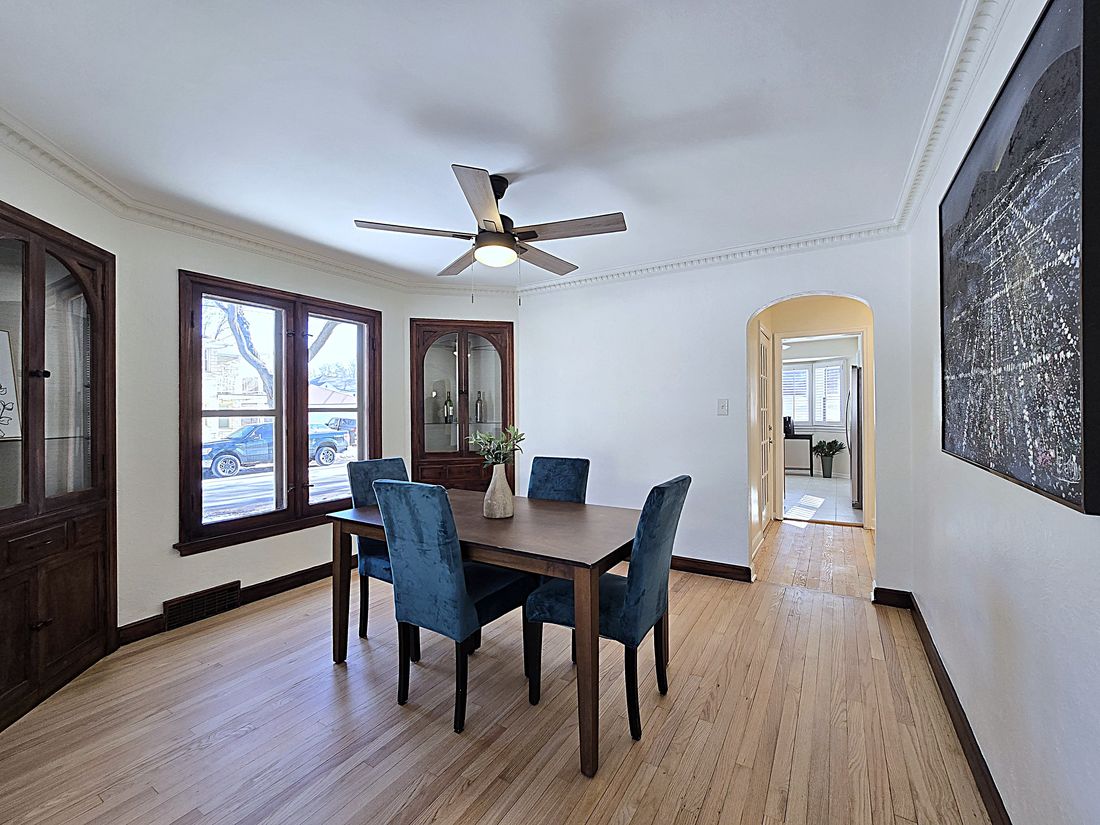
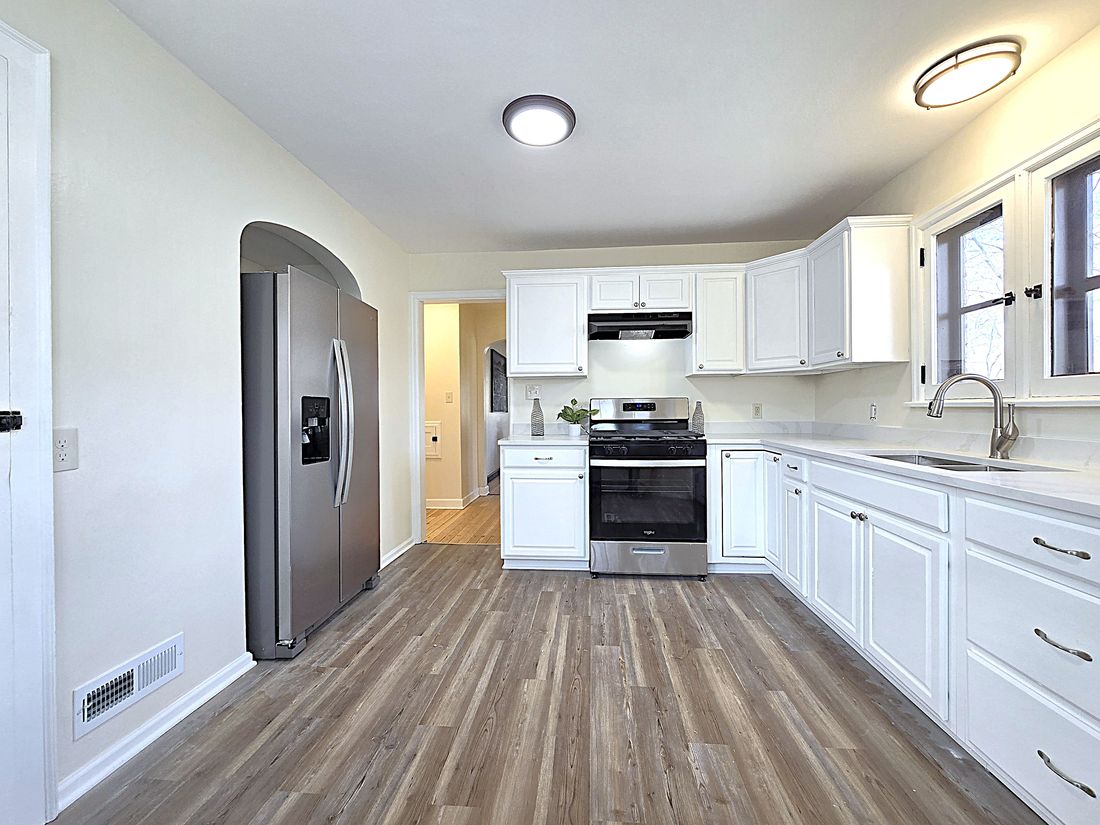
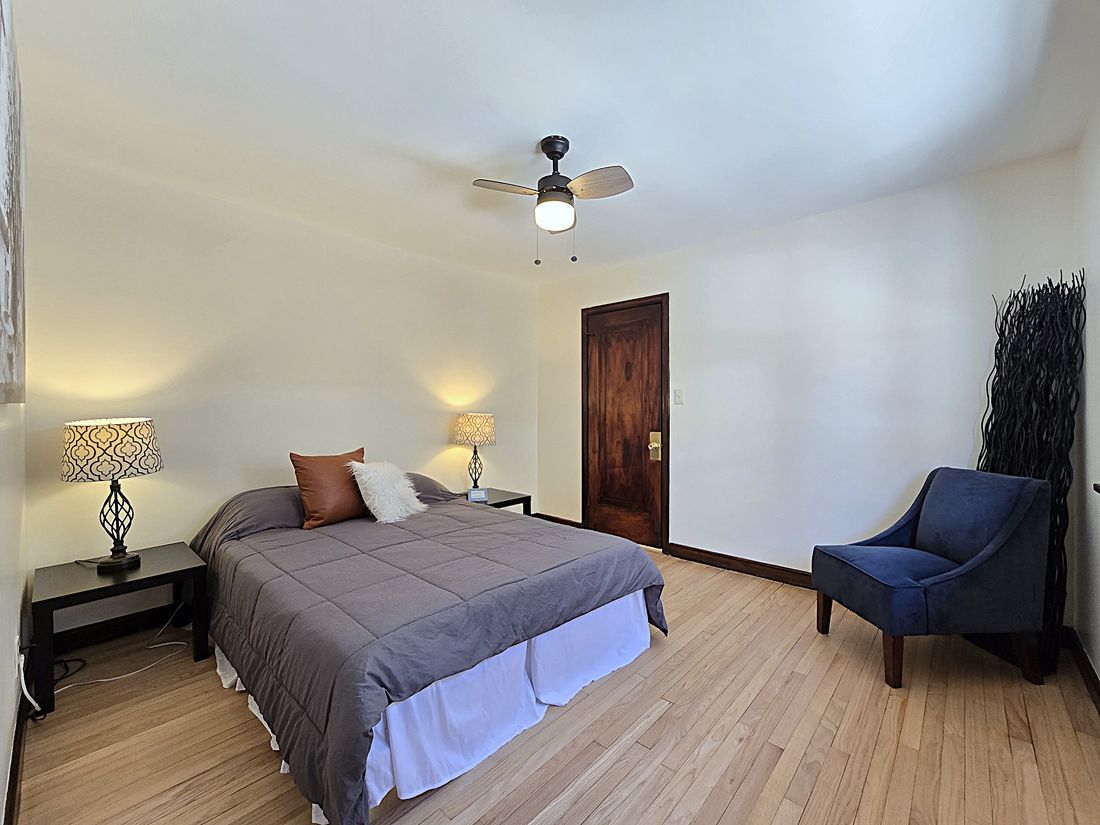
The house itself we took as it stood: a 1941 two-family home with good bones — arched openings, original hardwood under the wear — and everything else needing attention.
The Outcome
She closed on schedule, moved once, and left the state without a house behind her.
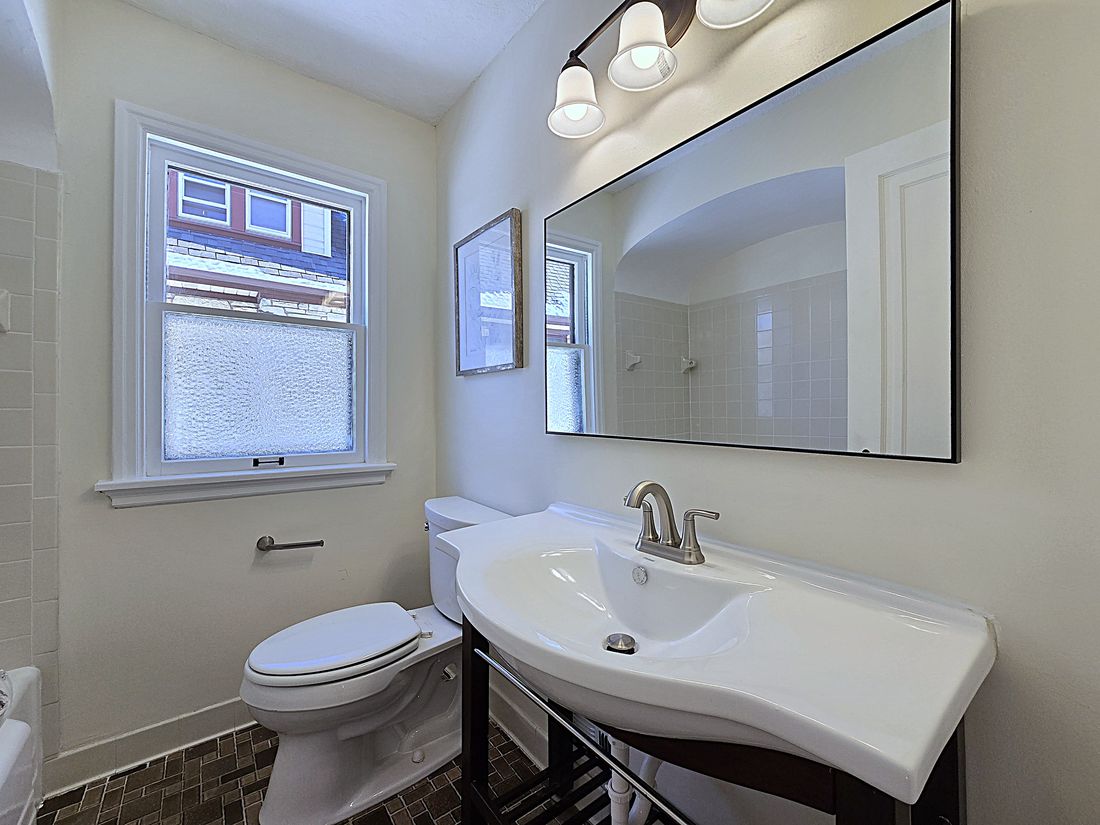
When the renovation was finished we did a video walkthrough with her, which is something we try to do with every seller who wants it. Seeing what happened to a house you lived in matters to people, and she was delighted with how it turned out.
She has since sent two other sellers our way. That is the part we are actually proud of.
If You're Selling Before a Move
The same handful of things decide how this goes:
- Judge offers on certainty, not just price. Ask what is contingent, who the money belongs to, and what happens if their inspection turns something up. The answers separate real offers from opening bids.
- Ask whether you can leave things behind. Most buyers who purchase as-is will let you, and almost nobody thinks to ask. It can be worth more than a bump in price.
- Close before you go, not after. Managing a sale remotely is the situation you are trying to avoid.
- Get the date in writing early. If a buyer cannot commit to a closing date at the offer stage, that tells you something.
Many of the people we buy from are taking a job in another state, need a closing on a specific date, who are selling as-is, and who have rental property to unwind — across Milwaukee County and the wider metro.
Milwaukee and the Rest of Our Area
This house was on the north-west side of the City of Milwaukee, our home market and the place we buy most often. We are just as active in the suburbs around it: Wauwatosa, West Allis, Greenfield, Franklin, Oak Creek and South Milwaukee in Milwaukee County; Waukesha, Brookfield, New Berlin and Menomonee Falls in Waukesha County; and Mequon and West Bend to the north. See our locations for every town, or read the step-by-step before you call.
Selling Before an Out-of-State Move — Common Questions
Do I have to take everything with me when I move?
No. On this sale the seller left behind whatever she didn't want to move, and that was part of why she chose us. Take what matters to you and leave the rest exactly where it is — furniture, appliances, the contents of the basement, all of it. We handle the clearout as part of the purchase.
Can you close before my move-out date?
Yes, and this is the thing to pin down first. Tell us the date you need and we work backward from it. When the title comes back clean we can be at the closing table in about a week, so the title search usually sets the pace, not us.
You weren't the highest offer here. Why should I take a lower one?
Sometimes you shouldn't — and if the highest offer is also the most certain, take it. The question worth asking is what each offer is contingent on. An offer subject to inspection, appraisal and financing is a starting position that can be renegotiated later; a cash offer with proof of funds and no contingencies is a commitment. If you cannot afford a failed closing, that difference is worth real money.
What is proof of funds, and should I ask for it?
It is documentation showing the buyer actually holds the money they are offering. Yes, ask for it — from us and from anyone else bidding. A buyer who cannot show funds is telling you their offer depends on someone else's decision.
Do you buy houses outside the City of Milwaukee too?
Yes. The city is our home market, and the rest of Milwaukee County and Waukesha County are core territory too. We also buy north in Washington and Ozaukee, west in Jefferson and Dane, and south in Walworth, Racine and Kenosha. See our locations page for the full picture.
Will you buy an older house with original fixtures and finishes?
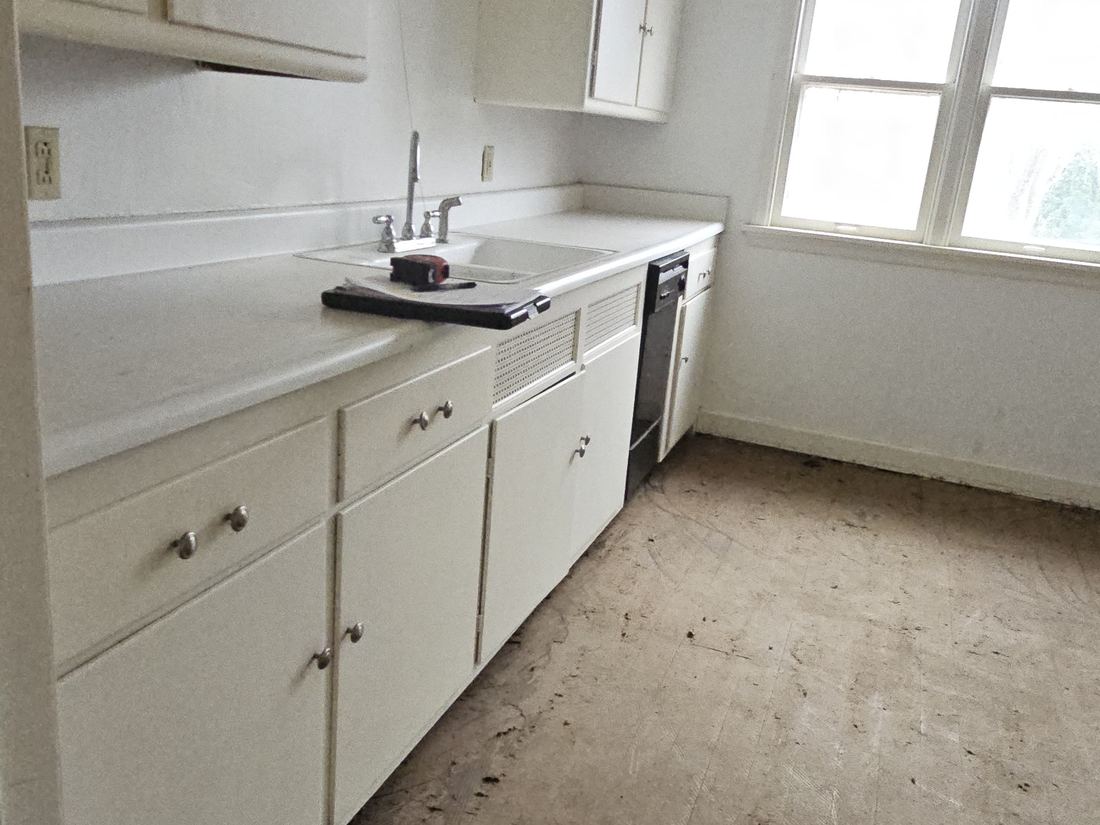
Gladly. This one was a 1941 two-family home in Milwaukee with arched openings and original hardwood under a lot of wear. Older homes are most of what we buy, and dated kitchens, hex-tile bathrooms and worn floors are expected rather than a problem.
Do I have to be in the state to close?
Not necessarily. Signing by mail or in front of a notary in your new state is common, and the title company can usually arrange it. That said, closing before you leave is simpler, and it is what we would suggest if the timing allows.
What does it cost me to sell this way?
Nothing out of pocket. There is no agent fee and no listing charge, and you won't pay for repairs or hauling either. Any liens or taxes come out at closing, and you receive the rest of the price we agreed.