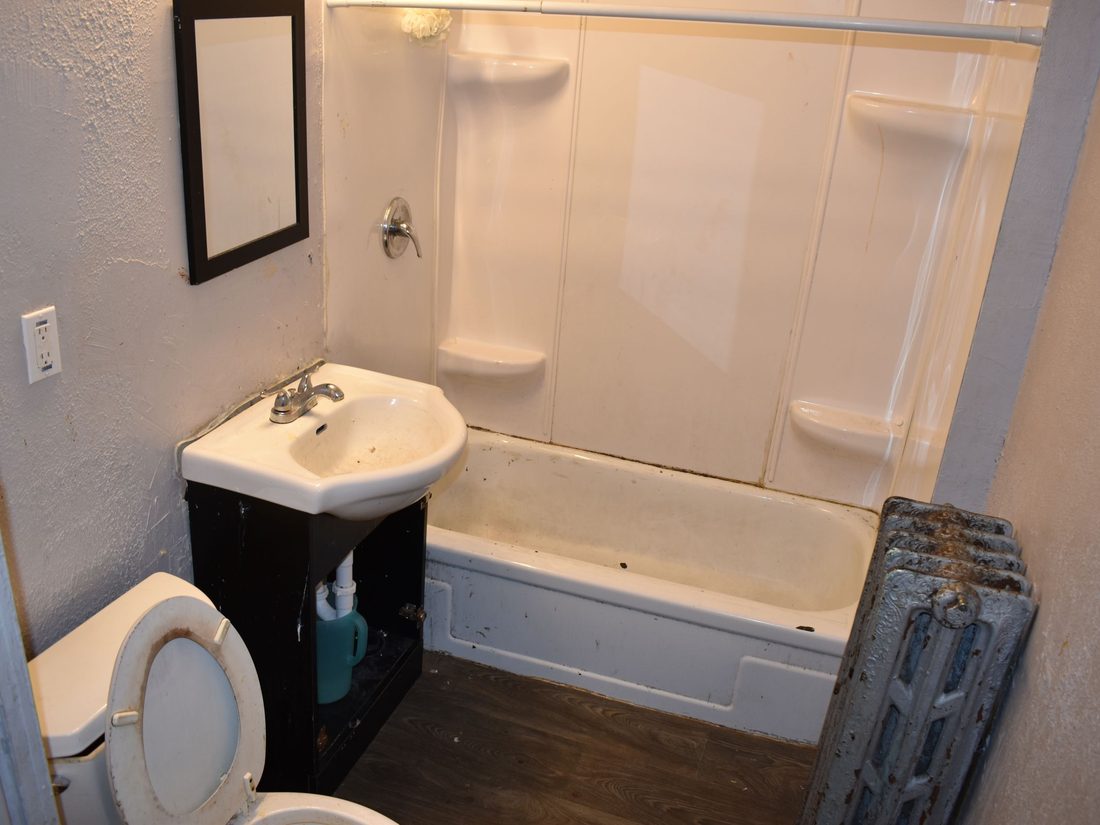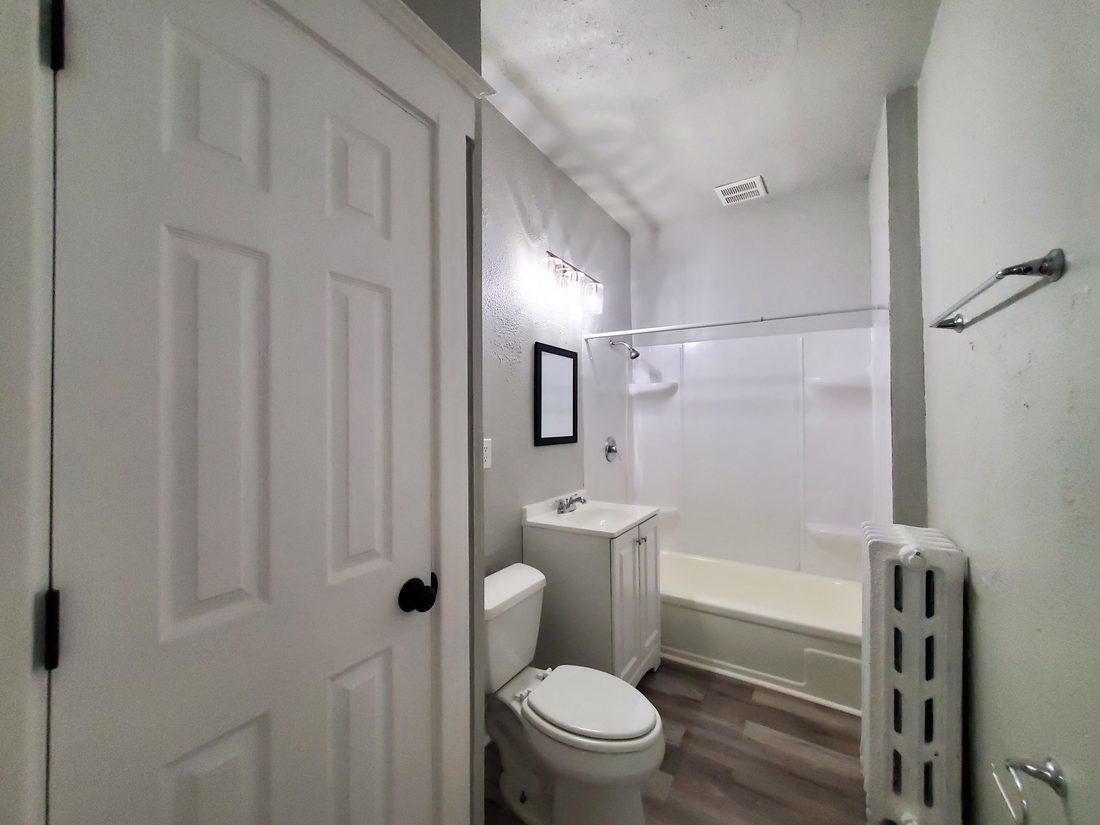
A Rental Sold Mid-Eviction,
Tenants Still in Place
The Situation
Our seller was a tired landlord, and he had reached the end of it. He wanted to cash out, skip the hassle and expense of working with an agent, and stop being responsible for a building he no longer wanted to own.
There was a complication. He had started an eviction — but he hadn't started it correctly, and it was a long way from over. In Wisconsin the notice stage is where most self-filed evictions come apart: serve the wrong notice, serve it the wrong way, or count the days wrong, and the court sends you back to the beginning. That is roughly where things stood when he called us.
Meanwhile the tenants were still in the property and still behind on rent.
Why Listing It Wasn't Realistic
An occupied rental with a half-started eviction is close to unsellable on the open market.
- You can't show it. Tenants who are being evicted are under no obligation to help you sell the building, and in practice they don't.
- Retail buyers want vacant possession. Almost every offer would have been contingent on the tenants being gone — which put the seller back in charge of finishing an eviction he had already struggled with.
- Financing is difficult. Lenders are wary of occupied properties with active disputes.
- The clock runs against the seller. Every month is another month of unpaid rent, taxes and insurance on a property producing nothing.
What We Did
We bought the property as soon as title was ready — with the tenants still living in it. The seller did not have to deliver a vacant building, and he did not have to finish the eviction he'd started.
After closing, we started the notices over, properly and legally, from the beginning. That is our problem to take on, and we would rather do it right from step one than inherit a defective filing.
Two things then happened that we did not take for granted:
- We recovered some of the overdue rent and passed it back to our seller. Money he had already written off.
- The eviction never had to run its course. Once the process was on a proper footing, the tenants paid up what they owed and moved out on their own.
On price he was a stickler, and fair enough — he knew what the building was worth to him. We paid his initial asking price.
The Outcome
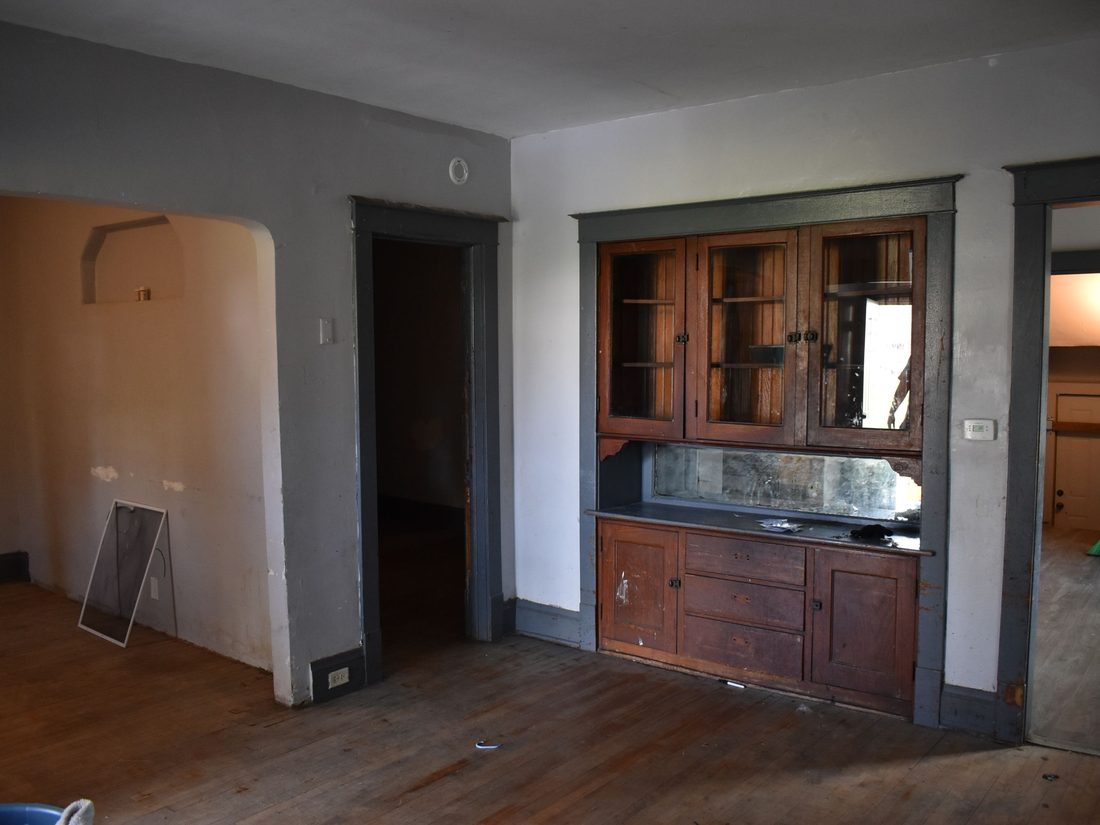
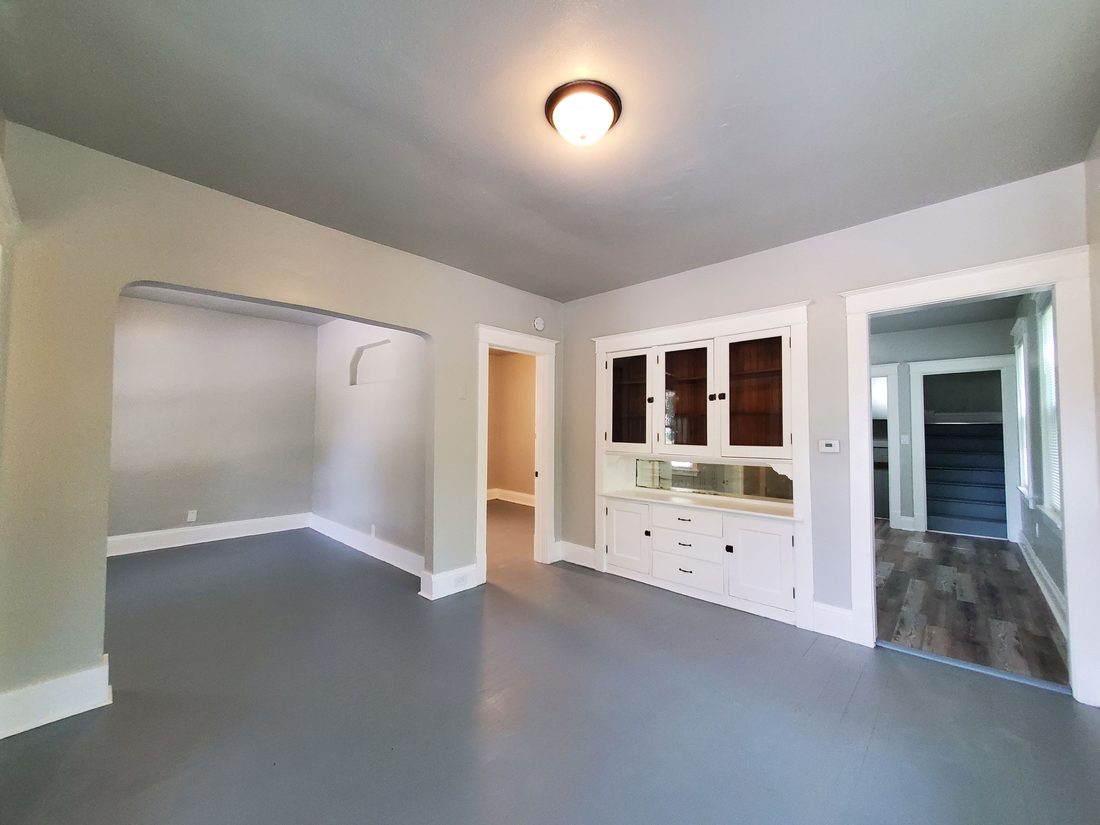
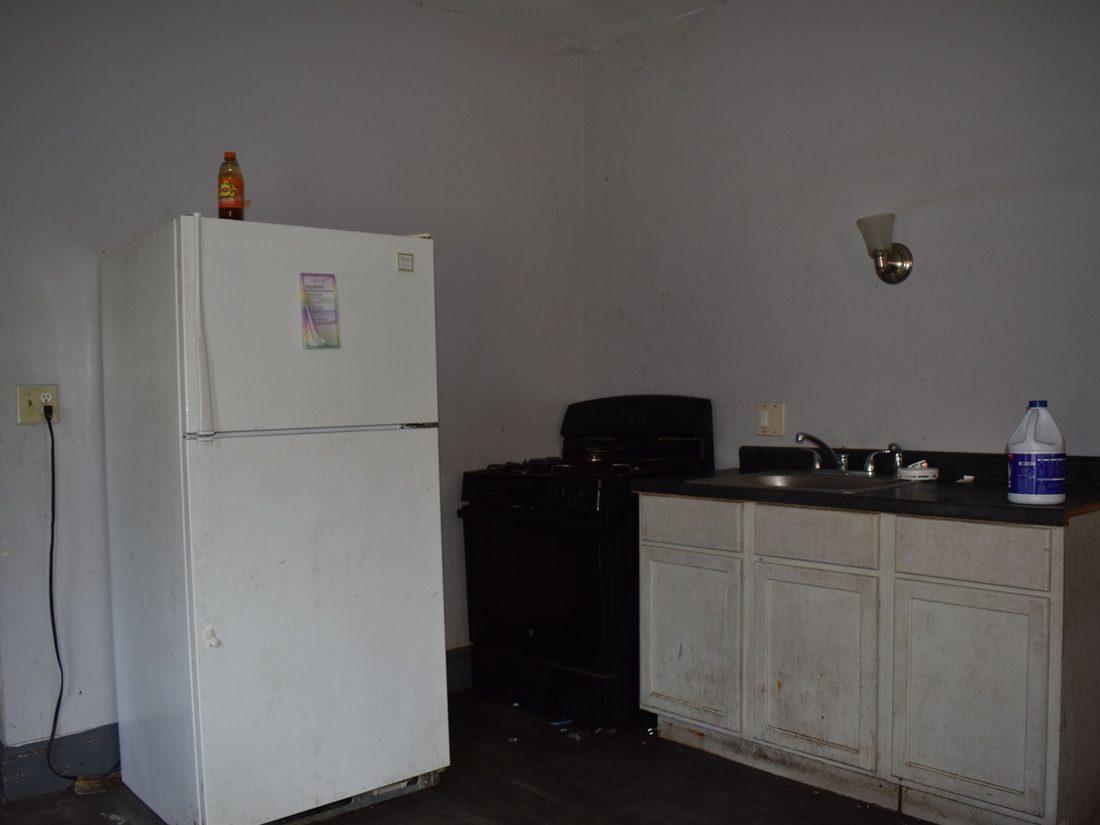
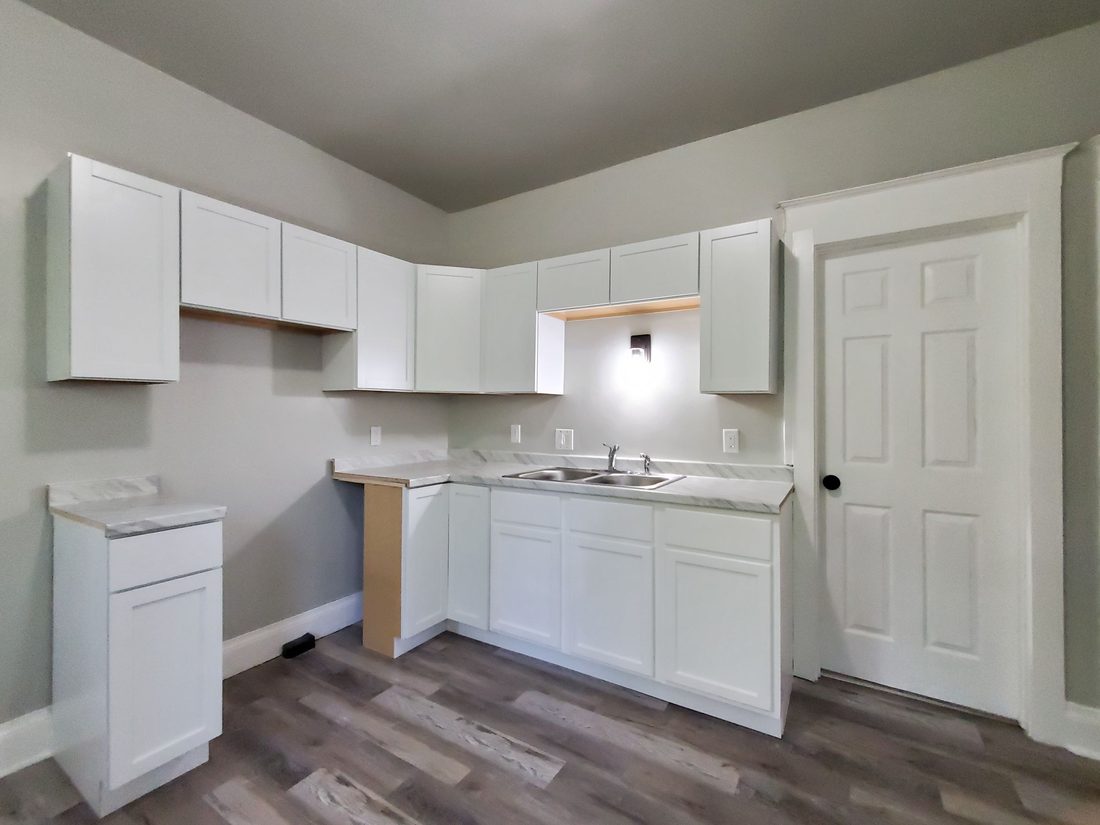
He walked away from the property, the tenants and the eviction in one transaction, with no agent commission, no repairs, and a cheque for back rent he had assumed was gone. The building went on to be renovated and returned to service.
Landlords comparing an investor sale with a listing can see both laid out on our compare page, and this cash buyer vs. agent breakdown covers the Milwaukee side of it.
If You're a Landlord Trying to Get Out
Tenant-occupied sales are routine for us, and the same few things trip owners up:
- You don't have to evict before you sell. This is the single most expensive misconception in the business. We buy occupied, and we take the tenancy on as it stands.
- Don't file it yourself if you're unsure. A defective notice doesn't just fail — it costs you the weeks you already spent, and Wisconsin's process restarts at the notice.
- Back rent isn't automatically lost. Talk about it before closing. It can sometimes be recovered and returned to you.
- Price and hassle are separate questions. Decide what number you need, then decide what you'll pay in time and stress to reach it. Sometimes those line up.
We buy rental property with tenants in place, houses that need work, inherited property and homes with tax liens or title problems, from duplexes in the city to single-family rentals in the suburbs.
Rental Markets We Buy In
Most of the rentals we buy are inside Milwaukee city limits, but we also take on landlord property in Kenosha, Racine and Walworth counties, out west in Waukesha, Jefferson and Dane, and up through Ozaukee and Washington, including West Allis, Wauwatosa, Greenfield, South Milwaukee, Oak Creek, Franklin, Menomonee Falls, Mequon and West Bend. See the full list of areas we serve.
Selling a Rental Property in Milwaukee — Common Questions
Do you buy rental properties with tenants still in them?
Yes. We buy occupied and vacant rentals. With tenants in place we take the property subject to the existing leases and handle the transition ourselves — you do not need to give notice, chase anyone out, or manage a vacancy on our behalf.
Will you buy a house with old plaster, knob-and-tube or radiator heat?
Yes. This property had plaster walls and radiator heat, and we kept the radiators. Older Milwaukee housing stock is what we work in — the age of the systems is priced into the offer, not used as a reason to walk.
Should I renovate the unit before selling it?
Generally not. You would be funding a renovation, carrying the vacancy while it happens, and absorbing whatever the building reveals along the way — then selling into the same market. Selling as-is transfers all of that.
Is it better to sell while the unit is vacant?
It is certainly simpler. A vacant unit means no tenant coordination, no lease assignment and no showings around someone else's schedule. But an occupied unit is not a problem for us either.
What if the property is behind on taxes?
That is common and it is manageable. Delinquent taxes are paid off from the proceeds at closing. Wisconsin's process runs from a tax certificate issued on September 1 through a two-year redemption period before in-rem foreclosure, so there is usually more runway than owners think — but not unlimited. Our tax foreclosure guide lays out the timeline.
Do I need to fix code violations first?
No. Open orders and citations come up in title and get handled as part of the transaction. You do not need to clear them before selling to us.
How is the offer calculated on a rental?
The same way as any other property — what the finished house is worth in that neighbourhood, less the renovation it needs, less holding and transaction costs. We do not price off rent rolls or cap rates on single-family, because the exit is a retail sale.
Can you close around my tax year or 1031 timeline?
Usually, yes. Tell us the date that works and we will build the closing around it. Speak to your own accountant about the tax treatment — we can accommodate the timing, but we are not tax advisers.