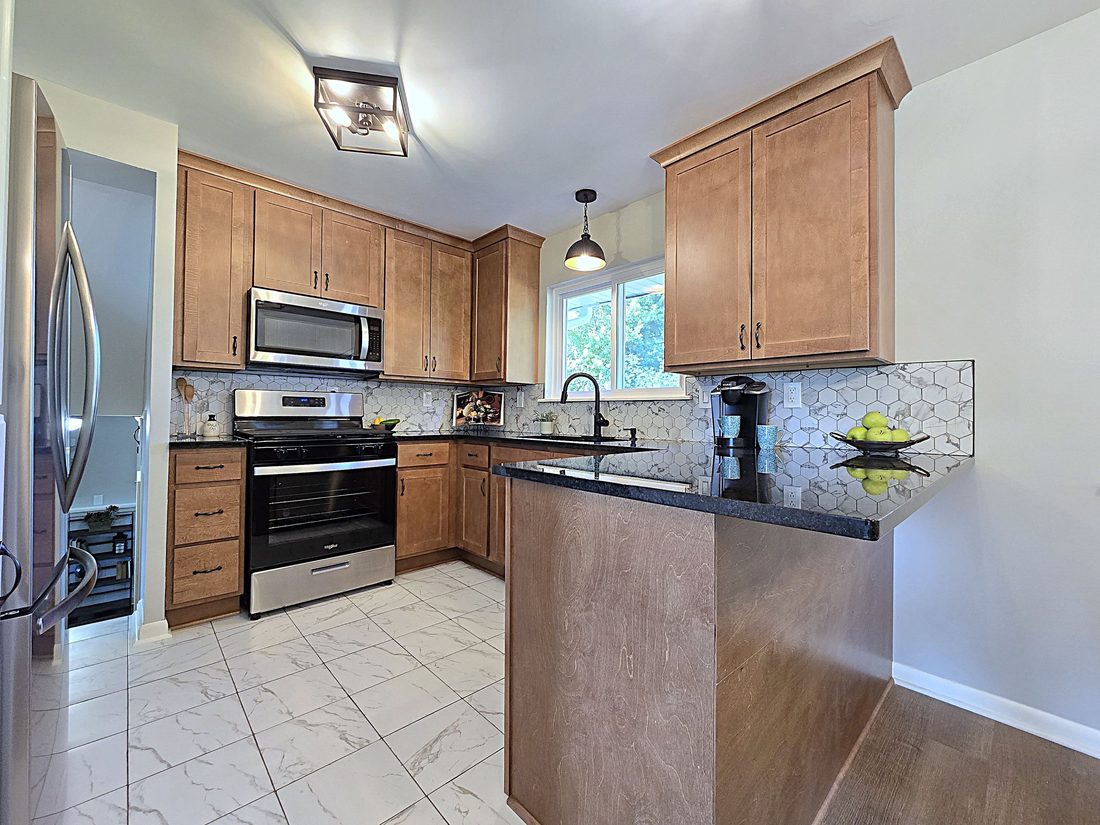
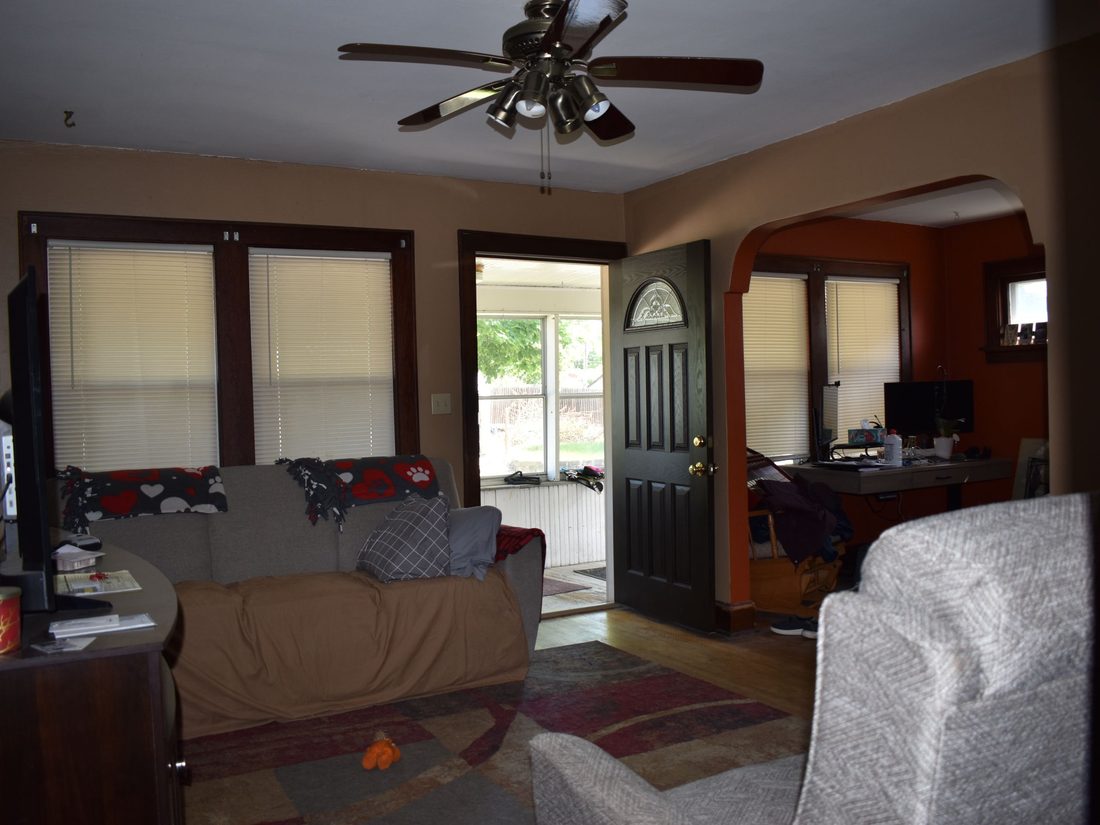
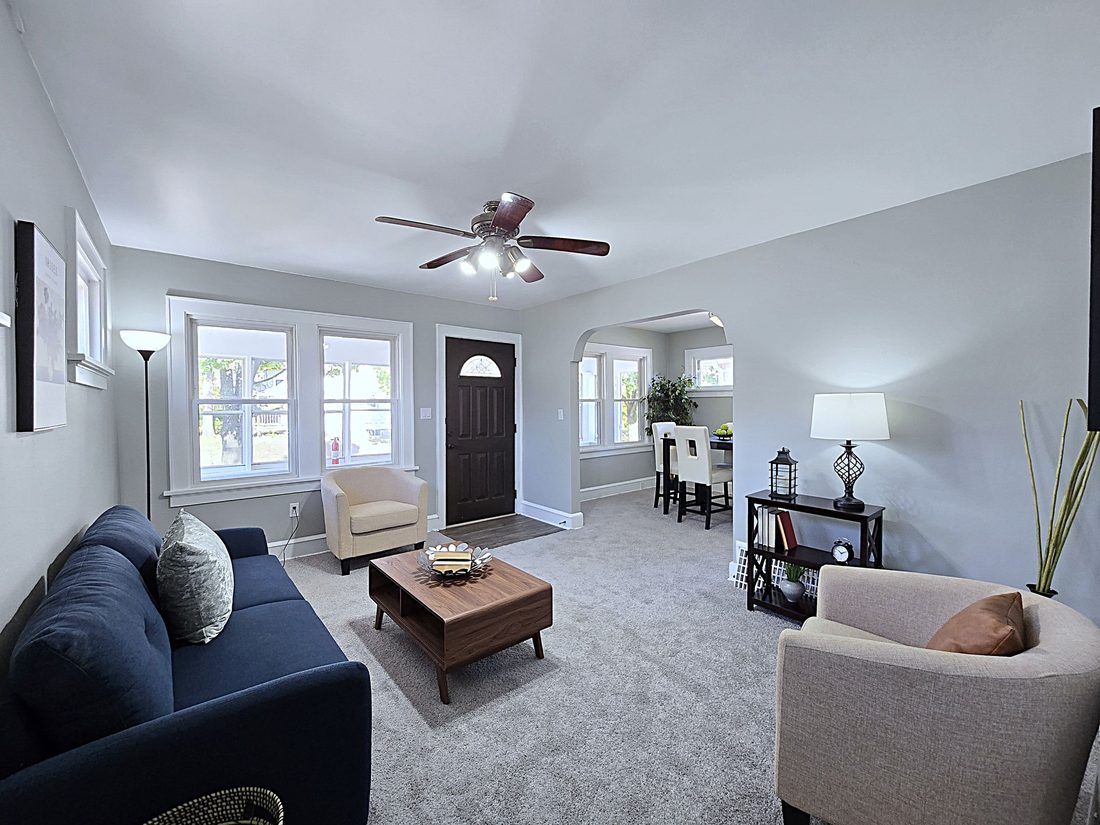
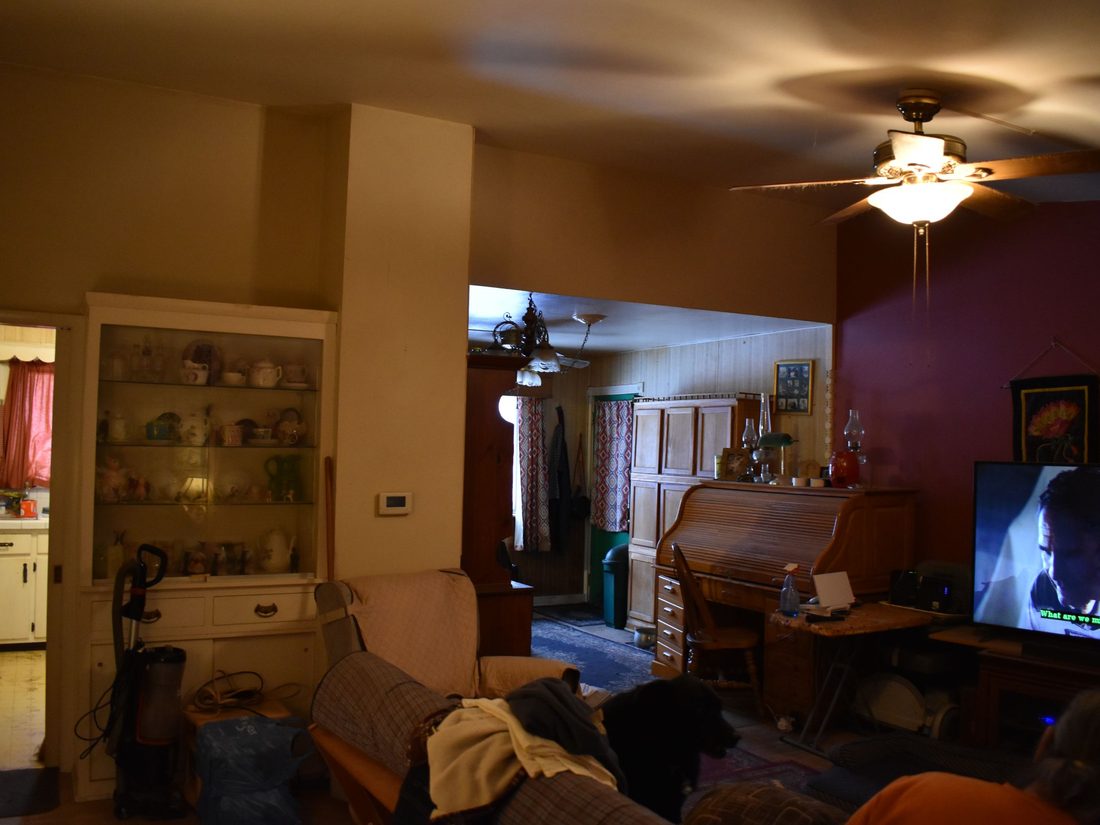
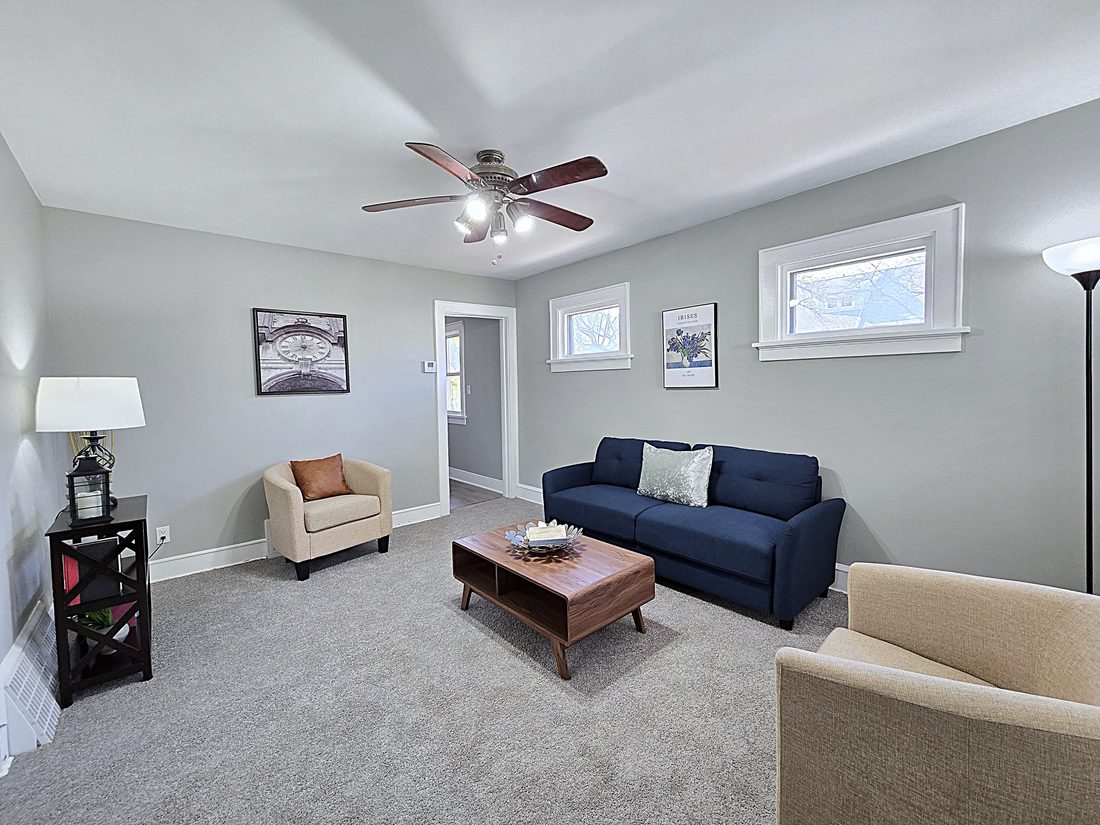
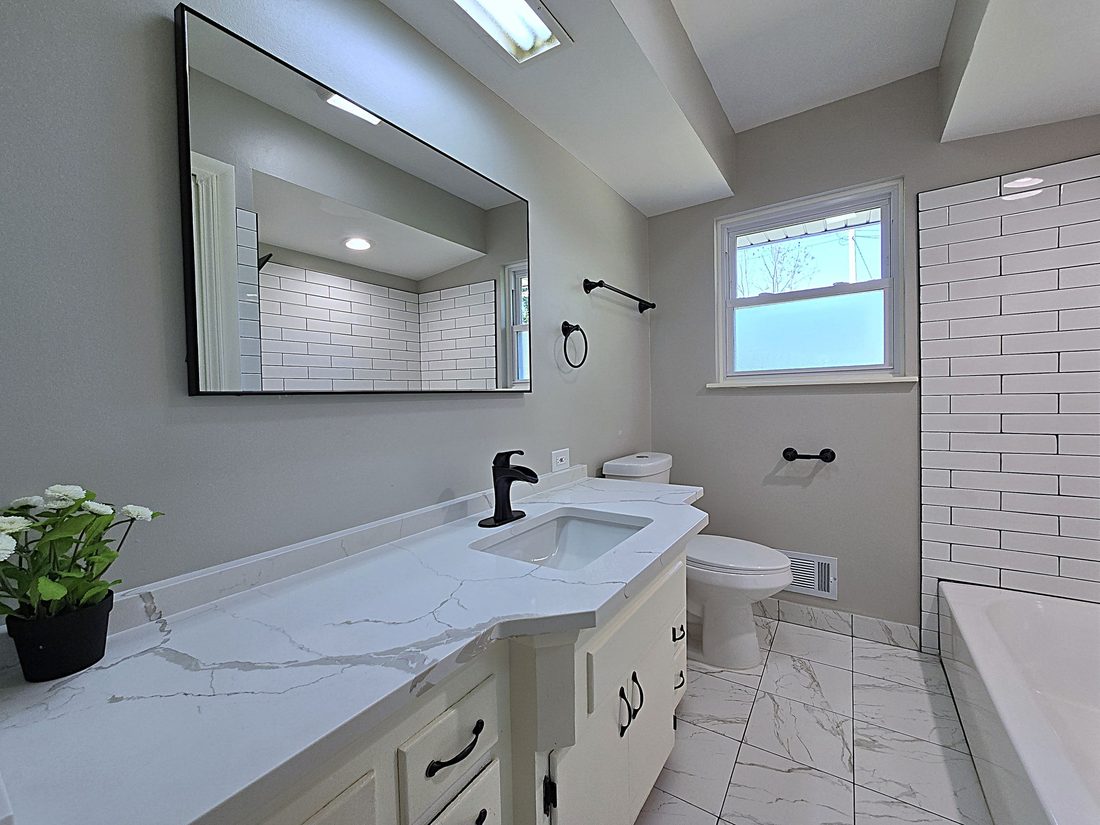
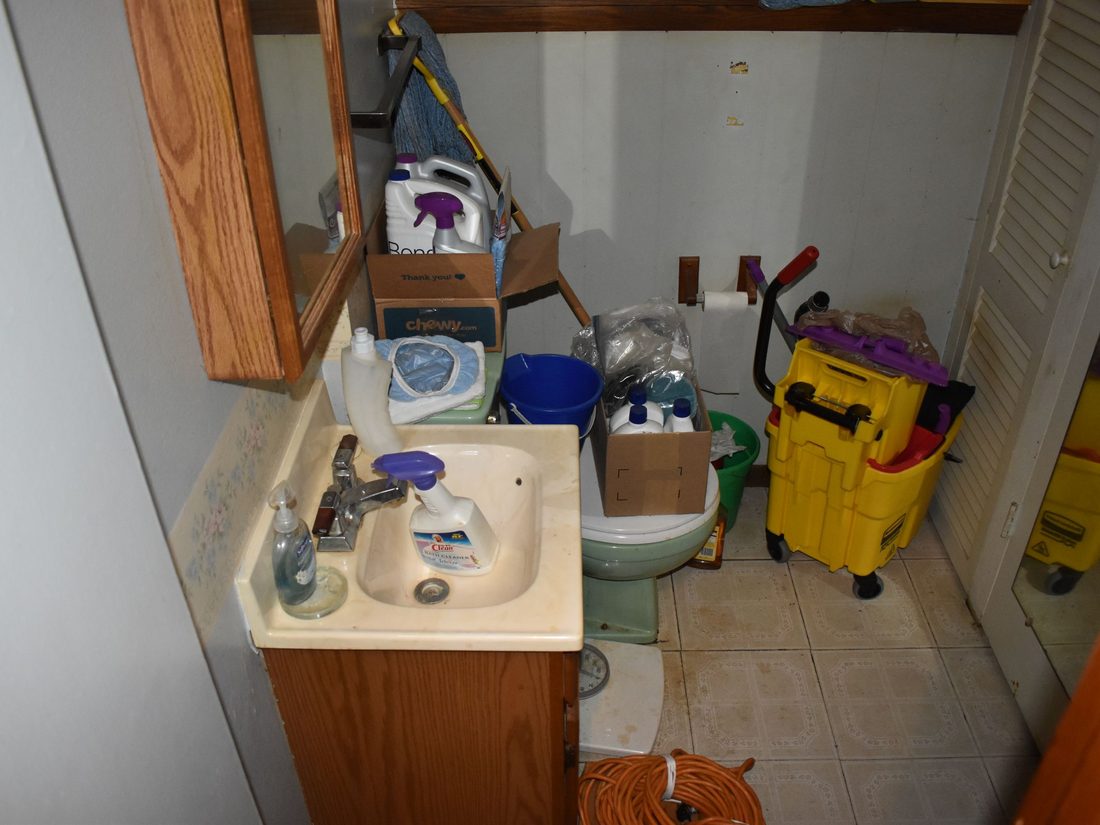
These sellers weren't in trouble. They wanted an update, an upgrade, a change — a different house. What they did not want was to put in the work or the money to get this one ready for somebody else to enjoy.
That is a completely reasonable position, and it is more common than the "distressed seller" story the cash-buying industry likes to tell. The problem was that this particular house made the traditional route genuinely difficult, not just unappealing.
The foundation had real problems. There was standing water and exposed soil on the basement floor, and the walls needed bracing. Upstairs — the finished space under the roof that everyone in the family called a bedroom — could not honestly be counted as living area without HVAC and electrical upgrades first.
A foundation issue changes the conversation on a listing, and not gently.
Our guide to the Wisconsin Real Estate Condition Report covers what you are required to disclose and when.
We were not the only offer on this house. There was real competition, and we say that plainly because what actually won it had nothing to do with being the highest number on the table.
We let them stay in the house after closing.
This is the part of a sale that nobody talks about until it bites them. If you sell on the open market and your closing lands well before the closing on the house you're buying, you move twice — out of your home, into storage or a rental, then into the new place. Two moves, two sets of costs, and weeks of living out of boxes in between.
Post-occupancy solves it. The sellers closed, took the bulk of their proceeds, and stayed on in the house rent-free for the next couple of months while they finished buying their upgrade. When they finally moved, they moved once — straight from the old house into the new one.
We bought the property exactly as it stood, with the foundation issues, the wet basement and the unheated upstairs all fully on the table.
They got the change they were after without spending a dollar or a weekend on a house they were leaving. No bracing, no drain tile, no HVAC contractor, no electrician, no repainting for a stranger's benefit — and no second move.
The trade is real and worth understanding before you pick a route. Our side-by-side comparison of selling options lays out the numbers honestly, and cash buyer vs. realtor in Milwaukee goes deeper.
This is the situation where a cash sale earns its keep, and the reasons are practical rather than dramatic:
We buy houses that need work, homes with tax liens or title problems, inherited property and rentals across the Milwaukee metro. If your timeline is the hard part, start with closing on your schedule.
Cudahy sits in Milwaukee County's south-shore corridor, minutes from South Milwaukee and Oak Creek, and we buy throughout that stretch as well as Greenfield, Franklin, West Allis, Wauwatosa, New Berlin, Waukesha and Brookfield. The full list is on our locations page.
Usually, yes — it's called post-occupancy, and it is the single most useful thing most sellers don't think to ask for. You close, you take your proceeds, and you stay on in the house for an agreed period (often a month or two) while you finish buying your next place. That way you move once, straight from the old house to the new one, instead of selling, moving into a rental or storage, and then moving again. On this Cudahy sale it was the deciding factor — we were not the only offer, and post-occupancy is what the sellers valued most.
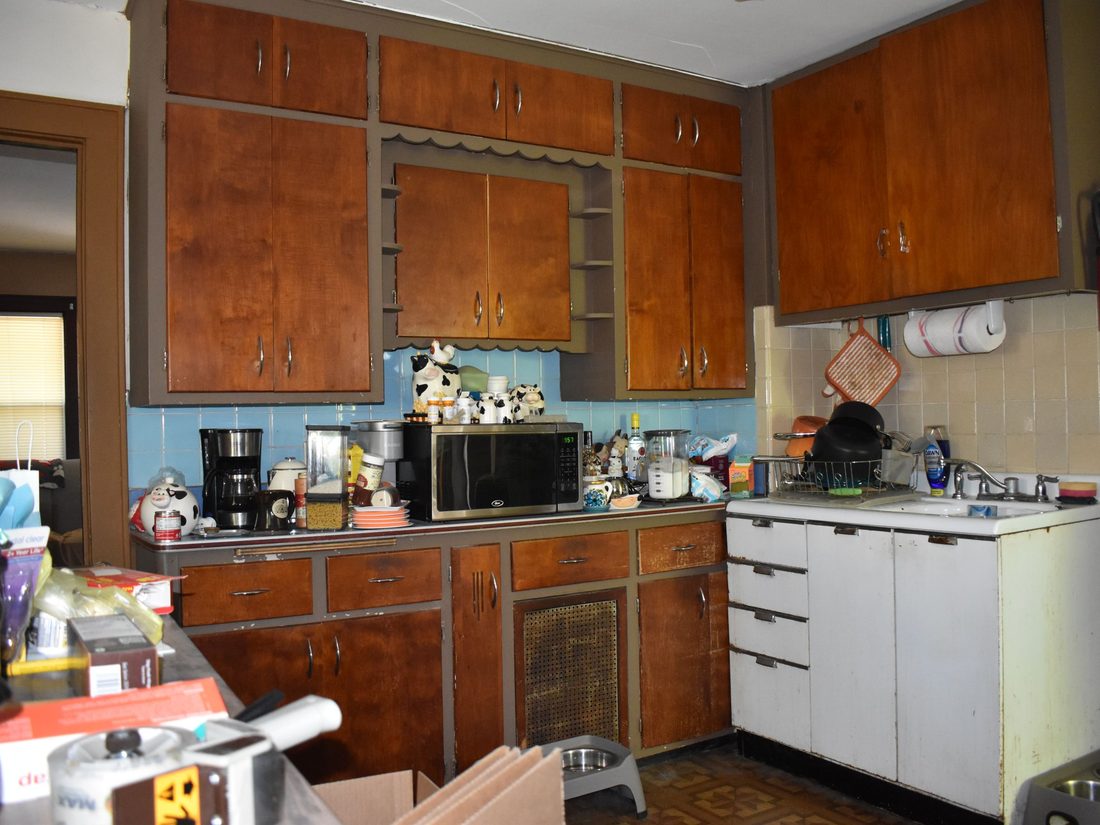
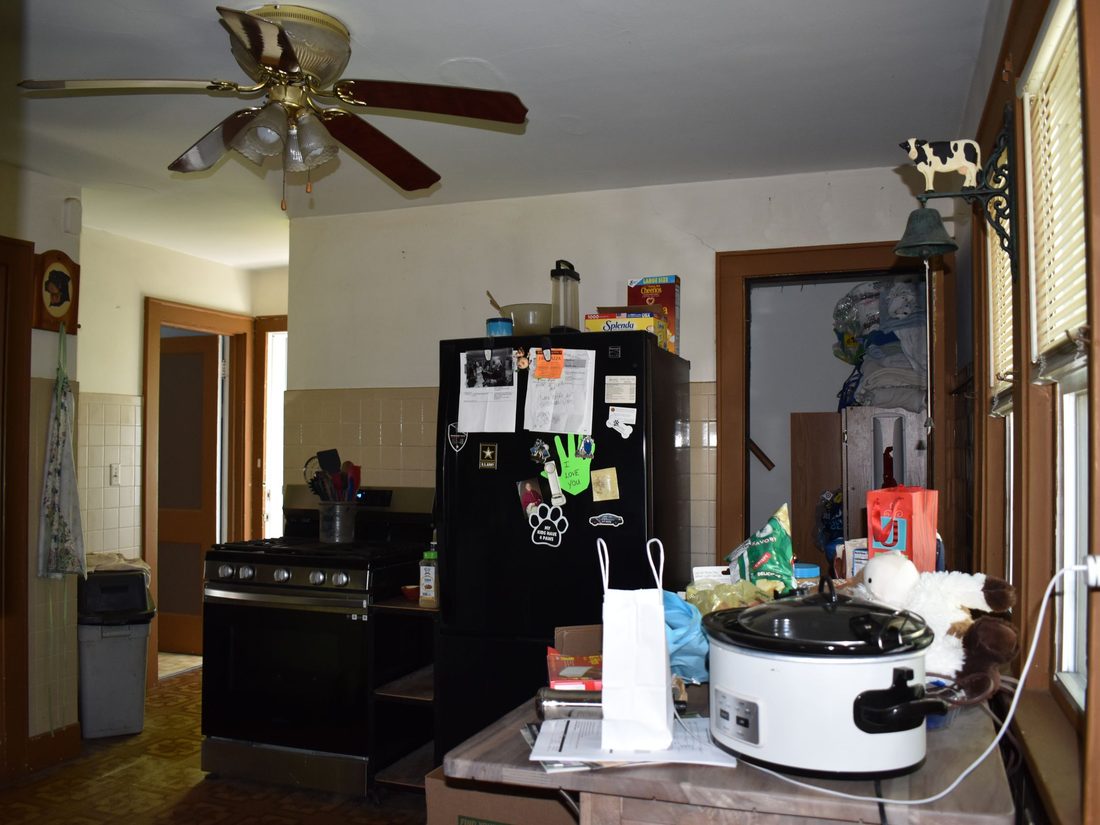
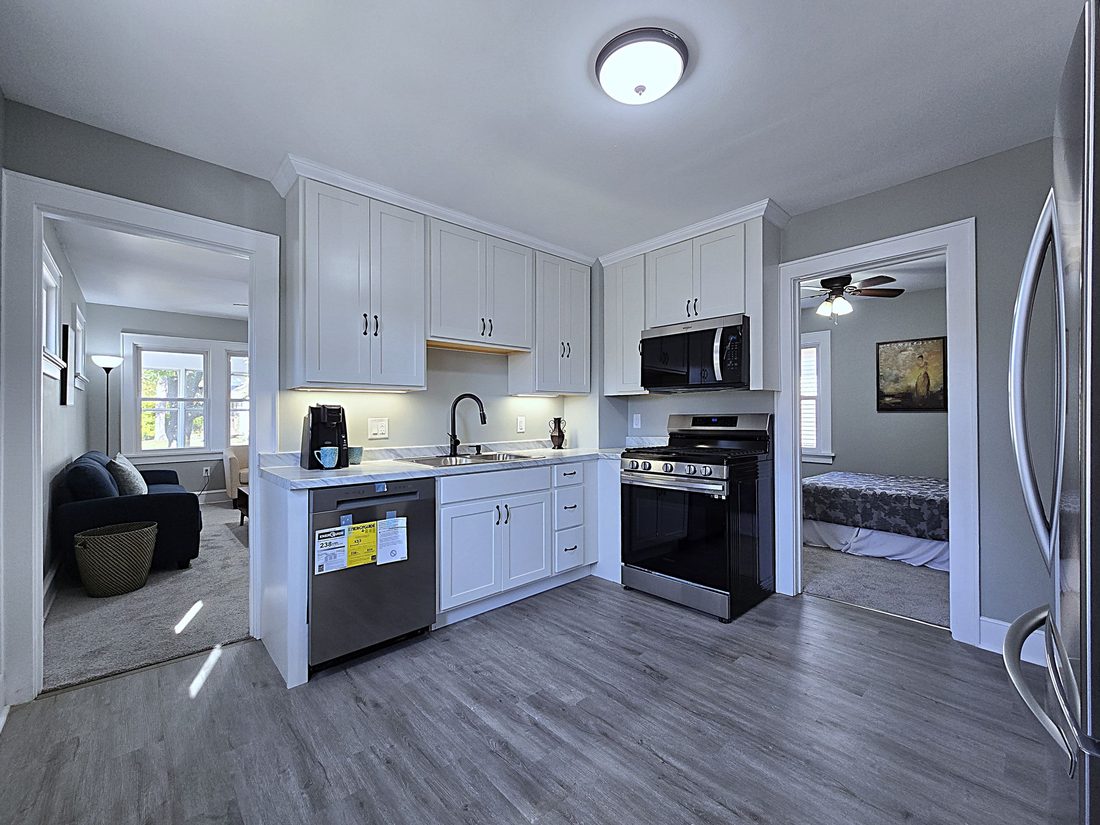
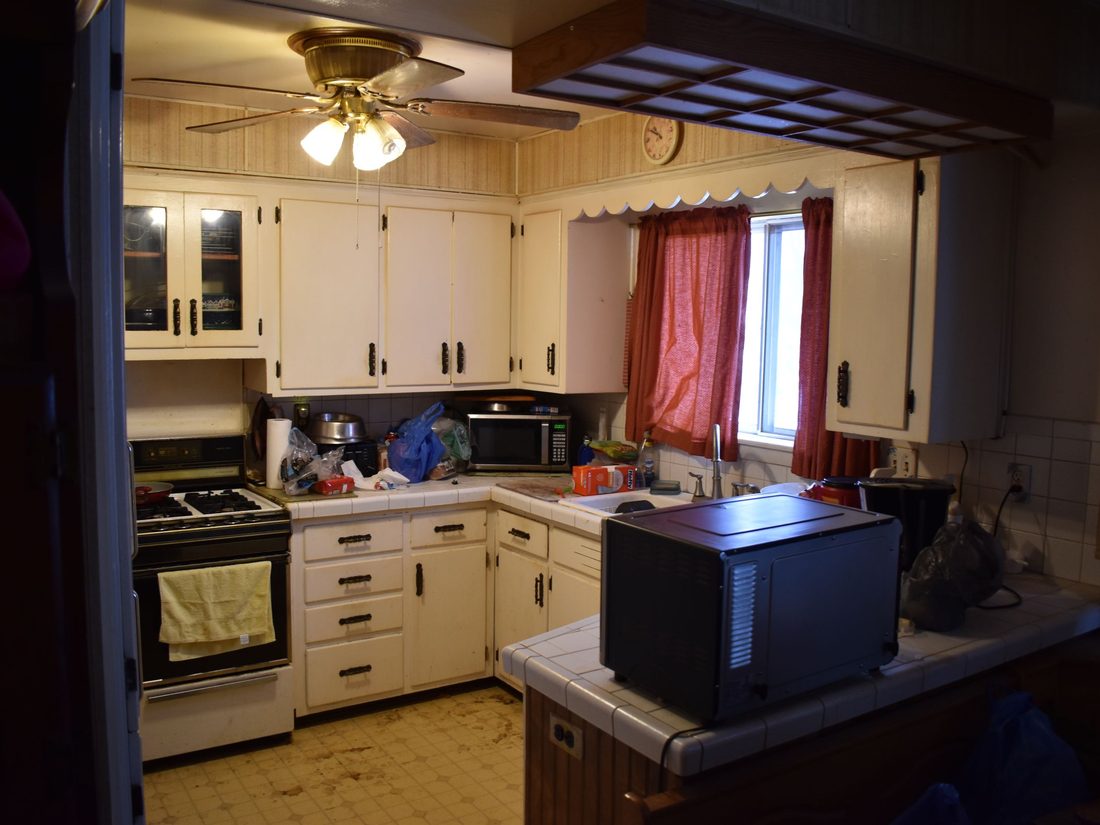
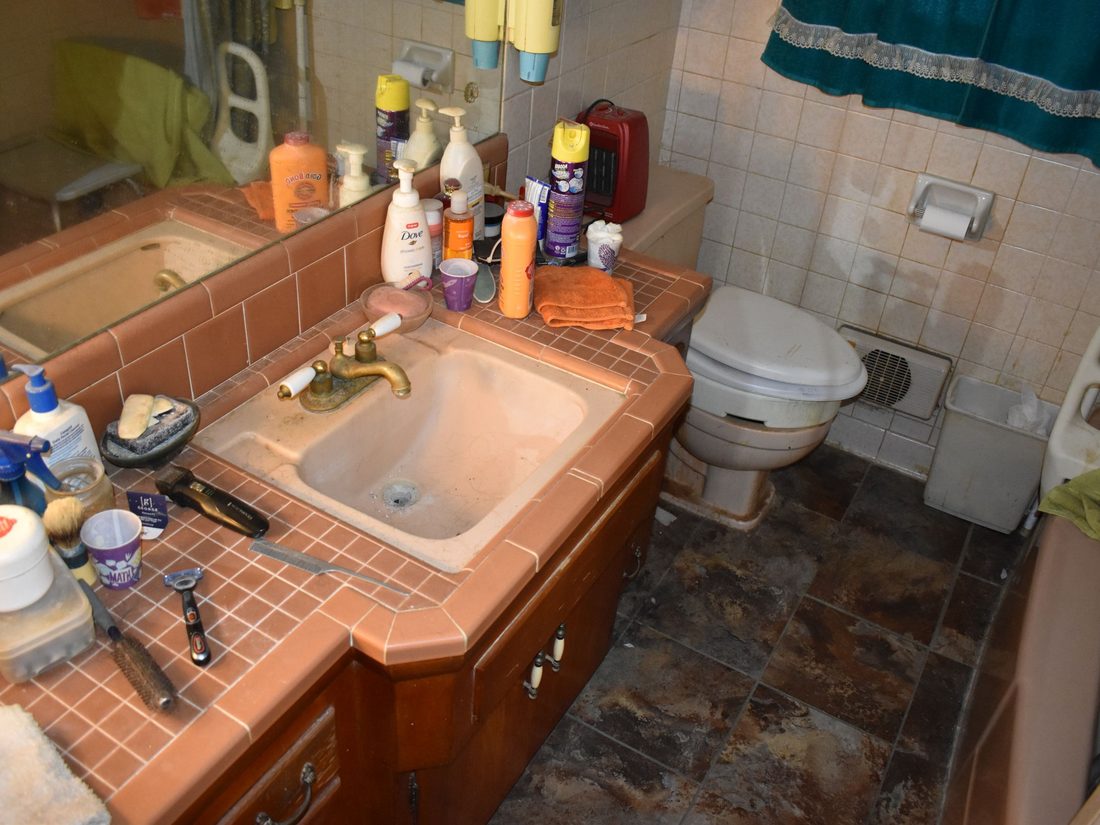
No. This house had an original 1970s kitchen and a tile-counter bathroom with a pink sink, and we bought it exactly as it was. Pre-sale renovations rarely return what they cost, and they delay a sale by months.
Yes. Cudahy, South Milwaukee, Oak Creek, St. Francis and the rest of the south-shore communities are all inside our regular buying area, along with the wider Milwaukee, Waukesha, Ozaukee, Washington, Racine, Kenosha, Walworth, Jefferson and Dane county area.
Not with us. We inspect the property ourselves before making an offer and we buy on that basis. There is no inspection contingency to renegotiate and no repair list handed back to you a week before closing.
No. Take what you want and leave the rest. Furniture, appliances, whatever is in the basement — it is not your problem once we close.
Wisconsin requires a Real Estate Condition Report on most residential transactions, and it asks about defects you actually know of. Selling as-is to a buyer who has inspected the property themselves is a much lower-stress way to handle a house you have not touched in decades. Our guide to the condition report explains what it asks.
We look at what comparable renovated homes in the neighbourhood actually sell for, subtract the cost of the work the house needs, subtract our holding and transaction costs, and leave a margin. It is not a formula we hide — we will walk you through the numbers on your house.
None. No commission, no listing fees, no closing-cost split, no repair credits. Liens, back taxes and any mortgage payoff come out of the proceeds at closing the same way they would in any sale.
An offer within about 24 hours of seeing the house, and closing in as little as a week once title is clear. If you need longer to find your next place, you pick the date.