
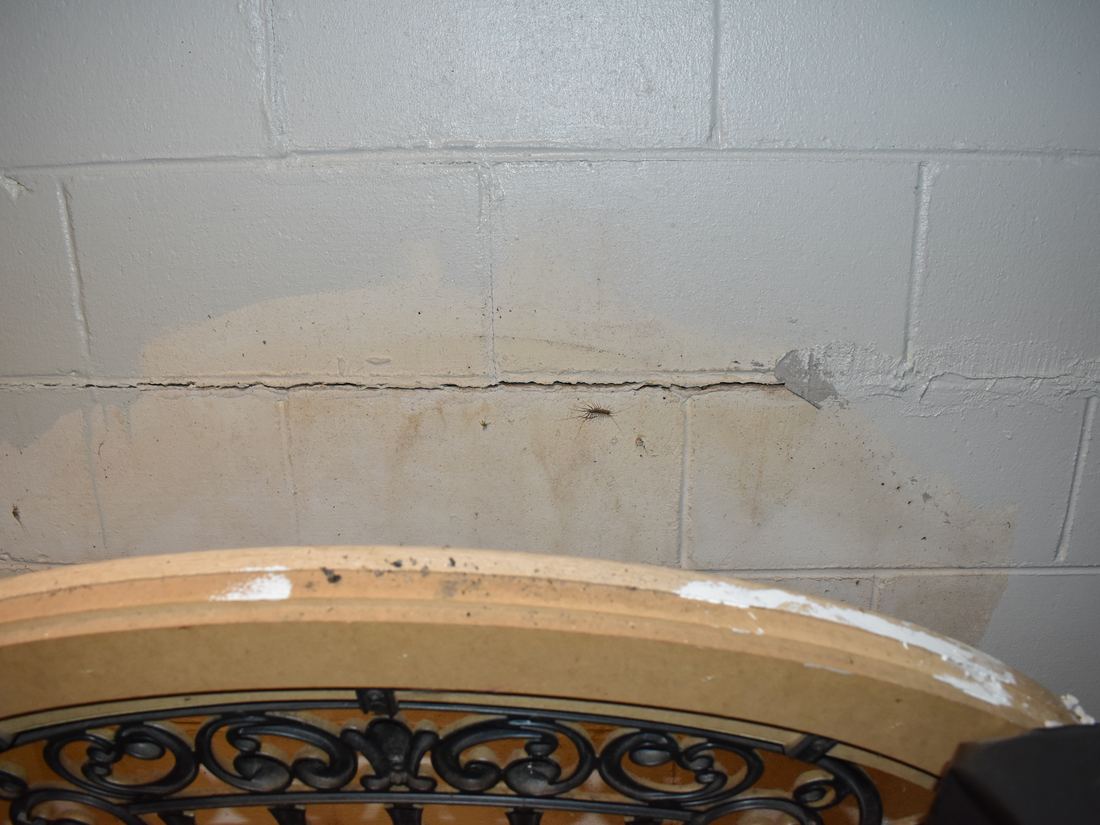
A lot of Milwaukee houses were built long before anyone poured a modern basement. Block walls, stone and brick foundations, decades of freeze and thaw, and wet springs all take a toll. Sooner or later many owners go downstairs and find a crack that wasn’t there before, a wall that leans in a little at the middle, or a stair-step line running through the block in one corner.
If you are getting ready to sell, a foundation problem raises questions that a fresh coat of paint does not. Is it serious? Do you have to tell a buyer? Will a lender even approve the loan? Is it worth fixing first? Below, each of those is taken in turn from the point of view of someone selling in Milwaukee County or the nearby suburbs. Treat it as background reading; a structural engineer and a Wisconsin attorney are the people to rely on for your particular house.
Why Southeastern Wisconsin Basements Move
Most of the Milwaukee area sits on clay-rich glacial till. Clay holds water, swells when it is wet and shrinks as it dries, so the soil against a basement wall is never quite still. In winter the water in that soil freezes and expands, and the pressure on the outside of the wall rises again. Over many seasons, a wall that was never built to resist that much sideways push can start to give.
The walls most likely to show it are hollow concrete block, used in a great many Milwaukee-area houses built in the post-war decades, and the older stone and brick foundations under the city's early bungalows and duplexes. Poured concrete walls crack too, but block walls in particular tend to fail in a recognisable way: a horizontal crack along a mortar joint a few feet below the ground outside, with the wall bowing inward around it. Downspouts that dump next to the house, a yard that slopes toward the foundation and a drain tile system that has silted up all make the soil wetter and the pressure worse.
Not Every Crack Is a Foundation Problem
Concrete and masonry crack. That alone does not mean the house is in trouble. What buyers, inspectors and lenders care about is whether the foundation is moving. As a general guide:
- Thin vertical cracks in a poured wall that are not widening, not offset and not leaking are often shrinkage. They are common and usually treated as minor.
- Horizontal cracks along a block or poured wall, often a few feet below grade, can mean soil is pushing the wall inward.
- Bowing or leaning walls, where the middle of a wall bulges into the basement, are the condition buyers worry about most.
- Stair-step cracks through the mortar joints of a block wall, especially at corners, can point to settlement or wall movement.
- Signs upstairs, such as doors that suddenly stick, sloping floors, or cracks spreading from the corners of windows and doors, can mean the movement is reaching the rest of the house.
You cannot tell the difference reliably from the basement stairs, and neither can most buyers. If you see anything on the list above, the most useful thing you can buy before you sell is an evaluation from an independent structural engineer, someone who is not selling the repair. Their written report tells you what you have, whether it is active, and what a proper fix looks like. It also becomes the document every buyer will want to see.
What the Wisconsin Condition Report Asks
Chapter 709 of the Wisconsin Statutes requires most owners selling a home of one to four units to hand the buyer a Real Estate Condition Report. Our full guide to the condition report walks through the whole form; for a cracked or bowing foundation, three parts of it matter most.
The Basement Question Names Cracks and Bulges
One line on the form is aimed squarely at this problem: it lists cracks, seepage and bulges as examples of basement and foundation defects you must report if you know about them. The Wisconsin REALTORS® Association version adds that other basement defects may include flooding, defective drain tiling or sump pumps, and “movement, shifting, or deterioration in the foundation.” A separate question covers structural defects, and its examples include movement or deterioration in walls and “major cracks or flaws in interior or exterior walls, partitions, or the foundation.”
The form's test for a “defect” has three limbs: something that would significantly lower what the property is worth, something that would significantly endanger the health or safety of the people living there, or something that, left unrepaired, would significantly shorten the normal life of the building. A wall that is bowing inward meets that test on more than one limb. A hairline shrinkage crack in a dry poured wall usually meets none of them.
“Aware” Means What You Know
The form defines “aware” as having notice or knowledge. That matters more than most sellers realize. If an engineer, a contractor, or a buyer’s home inspector has told you the wall is moving, you are now aware of it, and that answer goes on every condition report you complete from then on. A deal that falls apart over a foundation finding does not reset the clock for the next buyer.
The form also asks whether you are aware of remodeling, replacements or repairs affecting the property’s structure that were done during your ownership without the required permits. A foundation repair done quietly by a handyman can turn into a second disclosure problem on top of the first.
Late Reports and New Information
Timing has teeth. Where you owe the buyer a report and it has not reached them by the tenth day after acceptance, Wis. Stat. § 709.05 lets the buyer back out of the contract. And if, before the offer is accepted, you learn something that would change one of your answers, Wis. Stat. § 709.035 requires you to give the buyer an amended report within 10 days of acceptance. With a crack already visible from the basement stairs, a buyer's agent will be checking both dates.
One exception is worth knowing if you inherited the house. A personal representative, trustee or other court-supervised fiduciary who has never lived in the property is not required to complete the report. That does not make it wise to stay silent about a wall you can see is bowing, but it changes the paperwork. Our guide to selling an inherited house through Wisconsin probate covers the rest of that process.
Repairs and Permits in Milwaukee
A proper foundation repair is structural work, and in the City of Milwaukee building and trade permits go through the Department of Neighborhood Services. Whether your specific job needs a permit depends on its scope, and patching a crack is not the same as bracing or rebuilding a wall. Do not guess. Call the City’s Permit & Development Center at (414) 286-8210 before work starts, or have your contractor confirm it in writing. If you are in a suburb such as West Allis, Wauwatosa or Greenfield, the permit comes from that municipality’s own building office.
For a seller, the paperwork is as valuable as the repair itself. A file that holds the engineer’s report, the permit, the contractor’s invoice and any transferable warranty answers a buyer’s questions before they are asked. A repaired wall with no paperwork tends to get treated like an unrepaired one.
Why Financed Buyers Struggle With Foundation Issues
Most retail buyers need a mortgage, and the lender is buying the house as collateral too. FHA’s standard is that a home it insures must be safe, sound and secure. The appraiser notes the repairs a property needs along with an estimated cost to cure, the lender can bring in a qualified inspector when the appraiser cannot tell, and if a defective condition exists and correcting it is not feasible, the lender must reject the property. Conventional and VA lenders apply their own condition standards, but an appraisal that flags active foundation movement is a problem for nearly any loan.
In practice, that means a house with an unrepaired foundation problem often loses its financed buyers late, after the inspection or appraisal, when you have already turned down other offers and lost weeks. We see the same pattern with peeling lead paint on FHA deals: the condition is not hidden, it just surfaces at the worst possible time.
Three Ways to Sell a House With a Foundation Problem
1. Fix It to an Engineer’s Plan, Then List
When the foundation is the only real issue and the rest of the house shows well, a repair designed by an engineer, permitted and finished before you list tends to recover the most money, because mortgage-backed buyers can come back in. Typical fixes for a bowing block wall range from wall anchors or steel beams braced against the floor joists to excavating outside, rebuilding the wall and replacing the drain tile, and the right one depends on how far the wall has moved. Ask for the engineer’s specification, get competing bids written to it, and deal with the water that caused the pressure: downspouts, grading and drain tile. You pay for the work and carry the house until it is done.
2. Price It for the Condition and Disclose
The second route is to leave the wall as it is, report it on the condition report, and put the engineer’s findings in front of every buyer from the first showing. Set the price with the repair in mind. Traffic will be lighter, a good share of the serious offers will come from investors, and a financed buyer who gets as far as an inspection or appraisal may still come back for a lower number. Our seller closing costs guide helps you compare what each route would really leave you with.
3. Sell to a Buyer Who Prices the Repair
If the wall needs excavation rather than bracing, the house has a list of other problems, or you cannot pay for a repair and the mortgage at the same time, selling to a cash buyer removes the lender and the inspection contingency from the deal. What you give up is the repair cost, which comes off the offer. Our as-is selling page describes how we work that out, and the cash buyer vs. realtor guide compares the two routes in more detail.
A cash sale does not switch off your disclosure duties. What you know about the wall belongs on the report whoever the buyer is.
Build a Foundation File Before You List
- A structural engineer’s report, ideally from an engineer licensed in Wisconsin who is not also selling the repair. A useful one says which walls are affected, how much they have moved, whether the movement looks active, and what repair the engineer would specify.
- Contractor bids or invoices, permits, and any transferable warranty for past repairs.
- Home inspection reports from earlier sales or failed deals.
- Records of related water work, such as drain tile, a sump pump or downspout changes. Water and foundation problems often travel together; our flooded-house guide covers that side.
- Dated photos of the cracks, so a buyer can see whether they have changed.
A buyer handed that file can put a number on the wall. A buyer handed nothing will price in the most expensive repair they can imagine.
How We Handle a House With Foundation Problems
The crack in the photo at the top of this page is from a Milwaukee house we bought as-is: a long horizontal crack across the north wall, step cracking at the south-east corner, and delinquent taxes that were larger than our first offer. We raised the offer so the owner left closing with money, and took on the structural repair ourselves. Pricing a wall like that is our job, not the seller’s.
On a visit we go to the basement before anything else, look at where and how far the walls have moved, and read whatever reports or bids you already have. Our written offer lists the foundation work we allowed for, so you can set it beside a repair bid and a listing estimate. There is no lender to satisfy and no inspection period to survive, and you do not warrant the wall. If a modest bracing job would let you list it for clearly more, we will tell you. The how it works page sets out the steps, and the FAQ answers questions about price and closing.
The Short Version
Not every crack is a foundation problem, but horizontal cracks, bowing walls and stair-step cracking deserve an independent structural engineer’s look before you sell. The Wisconsin condition report asks directly about cracks, seepage, bulges and foundation movement, and once you are aware of a problem, it goes on every report. Foundation repairs in Milwaukee may need a permit through the Department of Neighborhood Services, so confirm before work starts and keep every document. Financed buyers often stall on active foundation issues. Clay soil, frost and poor drainage are usually the cause, so a lasting repair deals with the water as well as the wall. Whether you fix first, price for the condition, or sell to a buyer who takes on the repair comes down to how far the wall has moved and how long you can carry the house.
Selling a House With Foundation Problems — Common Questions
Can I sell a house with foundation problems in Milwaukee?
Yes. Owners here usually take one of three routes: have an engineer specify the repair, get it permitted and done, then list; leave the wall as it is, disclose it and price the house for it; or sell to a cash buyer who builds the repair cost into the offer and does not need a lender or an inspection period. Our comparison page sets those options side by side.
Do foundation cracks have to be disclosed in a Wisconsin home sale?
If you know about them and they are significant, generally yes. The condition report required of most sellers by Wis. Stat. ch. 709 lists cracks, seepage and bulges as basement and foundation defects, and a separate structural question covers major cracks in the foundation. If an engineer, contractor or inspector has told you the foundation is moving, you are aware of it. Our condition report guide explains the form.
Does a foundation repair need a permit in Milwaukee?
It depends on the scope of the work. Structural repairs generally go through the City of Milwaukee Department of Neighborhood Services, so call the Permit & Development Center at (414) 286-8210 before work starts, or have your contractor confirm it in writing. The condition report also asks about structural repairs done without required permits, so keep the permit with your records.
Can a buyer get an FHA loan on a house with foundation problems?
Often not until it is fixed. FHA requires an insured home to be safe, sound and secure. The appraiser lists needed repairs, and if a defective condition exists and correcting it is not feasible, the lender must reject the property. That is why houses with active foundation movement frequently lose financed buyers late in the deal.