
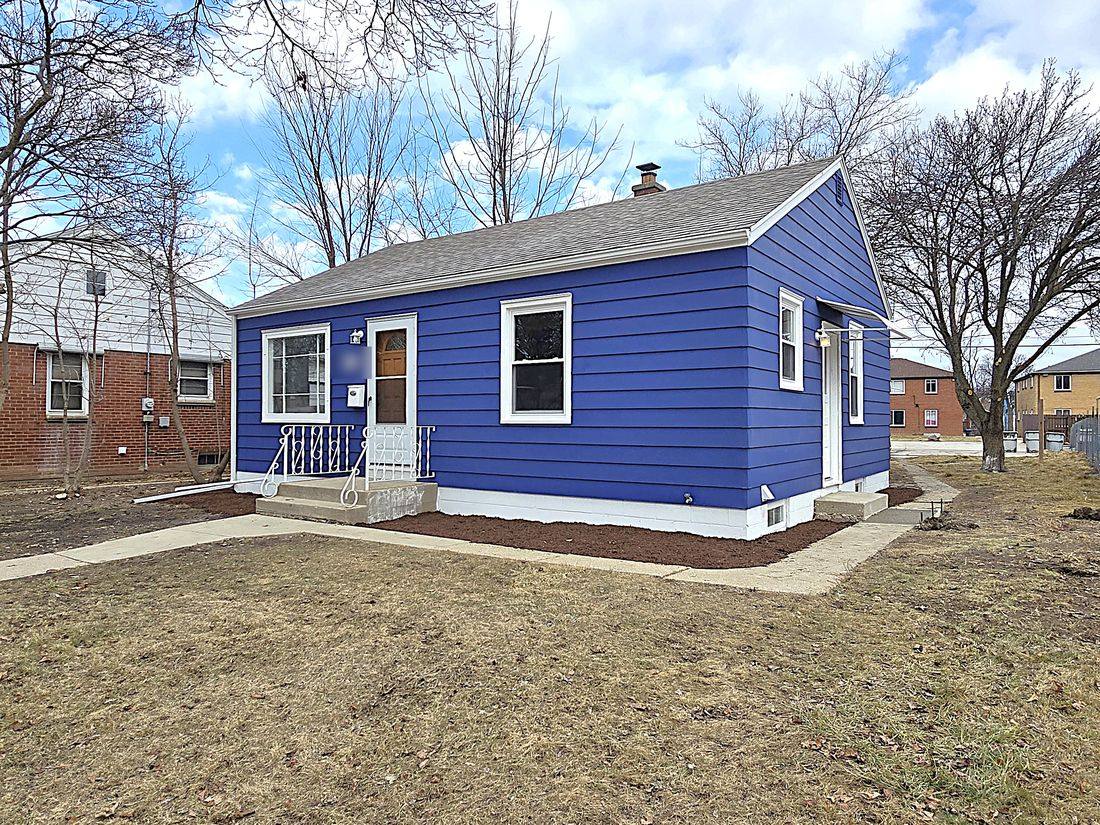
Land contracts show up in Milwaukee more often than most people expect. A parent sells the family bungalow to a son on installments. A landlord sells a duplex to the tenant who has lived upstairs for eight years. A buyer who could not get a mortgage gets a house anyway, with a balloon payment due in five years. For a while it works. Then someone needs out.
Getting out of a land contract is not like selling a house you own outright, and it is not like selling one with a mortgage. Two people hold pieces of the title. If payments have stopped, the court process that can follow is much faster than a mortgage foreclosure, and it can wipe out years of payments in one order.
This guide covers both sides: the buyer who is paying on the contract and wants or needs to sell, and the seller whose buyer has stopped paying. It explains what Wisconsin law actually says, where the deadlines are, and where the money goes when the house sells.
What a Land Contract Actually Is in Wisconsin
A land contract is seller financing. The seller (the vendor) agrees to convey the house to the buyer (the vendee), and the buyer pays for it in installments, usually monthly, straight to the seller. No bank is involved. The deed does not change hands until the contract is paid in full.
What confuses people is who owns the house in the meantime. Under Wisconsin law the buyer holds equitable title and the seller keeps legal title. The Wisconsin REALTORS® Association puts it plainly: the sale happens when the contract is signed and the buyer takes possession. From then on the buyer is, for practical purposes, the owner. The seller holds only “bare legal title” as security for the unpaid balance.
That split is why the buyer usually pays the property taxes, carries the insurance, and handles every repair, as if they owned the house outright. It is also why a buyer who misses those obligations can be in default even while making every monthly payment on time.
Most residential land contracts in Wisconsin are written on the State Bar of Wisconsin’s standard Form 11 Land Contract, though homemade versions turn up too. Pull out your copy before you do anything else. The default notice period, whether the buyer can assign the contract, and whether the full balance can be called due after a single missed payment are all set by the contract, not by a general rule.
Why Land Contracts End Up Needing a Sale
In our experience, a land contract house that needs to be sold usually got there one of five ways.
- The balloon payment. Wisconsin land contracts are often written for five or ten years, with a large final payment the buyer is expected to cover by getting a mortgage. If the buyer’s credit has not improved, or the house needs work a lender won’t finance, that refinance does not happen.
- Taxes or insurance fell behind. There is no escrow account, so nobody forces the tax bill to get paid. Unpaid taxes are a default under most contracts, and in Milwaukee they also start the clock on the tax process covered in our guide to Wisconsin property tax foreclosure.
- The repairs outran the buyer. Buyers on land contracts often skip the inspection a mortgage lender would require. A failing roof or a wet basement becomes the buyer’s bill in year two.
- Life changed. A job in another state, a divorce, or a health problem. The buyer has equity in a house they can no longer live in or afford.
- Somebody died. A seller’s estate now holds legal title, or a buyer’s family has inherited a contract they didn’t know existed.
If You Are the Buyer: Selling Before the Contract Is Paid Off
You can sell a house you are buying on land contract. It works much like selling a house with a mortgage: the unpaid balance gets paid off at closing, and you keep what is left.
The Payoff Comes First
Ask the seller for a written payoff figure good through your expected closing date: principal, interest to that day, and anything the contract lets them add. Compare it against your own payment records. Informal contracts are where disputes over the balance come from, because nobody kept an amortization schedule. Settle any disagreement before a buyer is waiting on it, not at the closing table.
The Seller Has to Sign the Deed
Because the seller still holds legal title, a clean sale needs the seller to deliver a deed. In practice the title company collects the payoff from your buyer’s funds and pays the land contract seller. The seller signs a deed in fulfillment of the contract, and the house is conveyed to your buyer. You receive the difference. If the seller cannot be found, has died, or refuses to sign even though the balance is being paid in full, the sale stalls until that is resolved. Find out whether that is a problem early.
The Transfer Fee Is Normally Paid Once
Wisconsin charges a real estate transfer fee of 30 cents per $100 of value under Wis. Stat. § 77.22, and the statute treats land contracts as conveyances. For a land contract, the value is the total principal the buyer agreed to pay, and the fee is collected when the contract is recorded. The deed issued later in fulfillment is exempt under § 77.25(17), if the proper fee was paid when the contract was recorded, though a transfer return is still filed. If your contract was never recorded, that exemption may not apply. Ask the title company to check before you work out your net.
The Condition Report Still Applies
Wisconsin’s seller disclosure law, Wis. Stat. § 709.01, covers transfers “by sale, exchange, or land contract.” That matters twice. If you are reselling, you owe your buyer a condition report the same as any other seller. And if your own seller never gave you one when you signed the contract, that is worth knowing. Our guide to the Wisconsin condition report covers who owes one and when.
If You Are Behind: How Strict Foreclosure Works
This is the section to read carefully if payments have stopped. When a mortgage borrower defaults in Wisconsin, the lender goes through a court foreclosure with a statutory redemption period measured in months and a sheriff’s sale at the end. We walk through that process in the Wisconsin foreclosure timeline. A land contract seller has a faster option.
It is called strict foreclosure. The seller asks the court to end the contract and give the house back. Wis. Stat. § 846.30 says that when the court finds the buyer has failed to make required payments and the seller is entitled to strict foreclosure, it sets a redemption period of at least 7 working days from the judgment hearing. That is a minimum, and the court decides the actual length. To redeem, the buyer has to pay the entire balance of the contract, not just the missed payments.
If nobody redeems, the court enters an order confirming it and the judgment becomes absolute. The seller gets the house back and keeps every payment already made. There is no sheriff’s sale, so there is no surplus to return to the buyer. Wisconsin Law Help, the state’s legal aid resource, notes that the buyer gets back none of the money paid toward the house or spent improving it. The trade-off for the seller is that they cannot also sue the buyer for the unpaid balance.
Two more points from the case law under § 846.30 are worth knowing:
- You keep equitable title until the confirmation order. The Wisconsin Supreme Court held in Steiner v. Wisconsin American Mutual Insurance Co. (2005 WI 72) that a buyer’s equitable title lasts until the court confirms the default after the redemption period ends. Until then, you still have an interest you can sell.
- The redemption right can be waived. The Court of Appeals held in Republic Bank of Chicago v. Lichosyt (2007 WI App 150) that the minimum period can be waived by those entitled to it. Read anything you are asked to sign during the case.
Strict foreclosure does not require the same wait before filing that a mortgage foreclosure usually does. The seller has to give the default notice your contract requires, and Wisconsin Law Help notes that notice can be as short as fifteen days. From first missed payment to losing the house can move very quickly.
The Seller’s Other Options
Strict foreclosure is common, but it is not the seller’s only remedy. A seller can also ask for foreclosure by sale, sometimes called specific performance. That works more like a mortgage foreclosure, with a court-set redemption period and a sheriff’s sale, and it can leave the buyer owing a deficiency. The seller can sue for the money owed, using the acceleration clause in Form 11 to call the full balance due. If the buyer had made only a few payments, the seller may file a quiet title action instead. Which one a seller picks tells you a lot about how much equity they think you have.
The Equity Question Is the Whole Game
Strict foreclosure hurts most when the buyer has built real equity. Take a buyer who has paid a contract down for six years on a house now worth well more than the balance. In a strict foreclosure, all of that equity goes to the seller. In a sale, it goes to the buyer.
So the most valuable thing a buyer who is behind can do is get two numbers quickly: the full payoff, and an honest opinion of what the house will sell for as it is. If the house is worth more than the payoff plus closing costs, selling before the confirmation order puts that difference in your pocket. If it is worth less, a sale may still be the cleaner exit, but you should know that before you decide.
Time matters here in a way it doesn’t with a mortgage. A listing that takes sixty days to go under contract and another forty-five to close does not fit inside a redemption period the court can set at days or weeks. If a strict foreclosure has been filed, tell anyone you are talking to about selling, and get the case number and hearing date in front of them on day one.
Assigning the Contract Instead of Selling the House
A buyer can sometimes assign the land contract to someone else, who takes over the payments and pays the original buyer something for their equity. Wisconsin Law Help notes that the seller must agree to this, and many contracts say so explicitly. It can make sense when the contract terms are good and the new buyer can’t get a mortgage either. It makes less sense when the contract is already in default, because the new buyer inherits the default. An assignment of the buyer’s interest is also a conveyance for transfer fee purposes under § 77.21.
Bankruptcy is another route. Wisconsin Law Help notes that a Chapter 13 filing may let a buyer catch up on missed payments, including taxes, or pay off the balance over three to five years. That is a question for a bankruptcy attorney, and it is worth asking before a redemption period runs out rather than after.
If You Are the Seller and Your Buyer Stopped Paying
The other side of the contract has its own problems. Strict foreclosure gets the house back, but it costs filing fees, attorney time, and months of no payments. And the house that comes back is often not the house you sold.
- A voluntary deed back. The simplest exit is often the buyer signing a deed returning the property. Wisconsin exempts a deed in lieu of foreclosure to a land contract seller from the transfer fee under § 77.25(14). Before accepting one, have an attorney check for liens the buyer let attach to the property. The WRA warns that a deed back may not clear those “hitchhiker” liens, and a foreclosure may be the only way to remove them.
- Selling with the buyer’s cooperation. If the buyer has equity and wants out, a sale that pays you in full and pays them the rest is usually faster and cheaper for everyone than a lawsuit.
- Selling after you get it back. Once a strict foreclosure is confirmed, the house is yours to sell. Expect deferred maintenance, possibly a tax balance, and a property that has been sitting empty. Our guide to selling a vacant house in Milwaukee covers what an empty house costs you here.
A former landlord who sold a rental to a tenant on contract is in a similar spot to one selling a tired rental outright. Our rental property page explains how we handle houses with occupants still in place.
When the Seller Still Has a Mortgage
A land contract sale does not pay off the seller’s own mortgage. If the seller still owes a bank, that mortgage almost always has a due-on-sale clause. The WRA warns that selling on land contract without the lender’s consent can let the lender call the whole loan due once equitable title passes.
For a buyer, that means two risks you may not have known about: the seller stops paying their mortgage while you keep paying them, or their lender calls the loan. When you sell, the title search will show the mortgage, and it has to be paid off at closing along with the contract balance. Order a title report early if you have any doubt the seller’s own debt is current.
Unrecorded Contracts and a Seller Who Has Died
Wisconsin does not require a land contract to be recorded with the Register of Deeds, and plenty of family contracts never were. An unrecorded contract still binds the two parties, but nobody else can see it in the public record, and that makes every later step harder.
The worst case is a seller who dies holding legal title to a house they sold on an unrecorded contract. The buyer may have to deal with the seller’s estate to get a deed, and Wisconsin Law Help warns that it may take the probate court to enforce the buyer’s rights. Our guide to selling an inherited house in Wisconsin explains how Wisconsin handles an estate’s real estate and who gets authority to sign.
A house that nobody alive has authority to convey is a situation we have worked through before. Read the St. Francis rental a congregation owned but could not sell after its only signer died.
Be Careful Who Offers to “Save” the House
Buyers behind on a land contract get the same pitches as homeowners behind on a mortgage. The riskiest is the offer to buy the house now and let you stay, by renting it back or selling it back to you on a new land contract.
Wisconsin regulates exactly this. Wis. Stat. § 846.40 covers “foreclosure reconveyances,” and its definition of a residence in foreclosure expressly includes a home where land contract payments are delinquent. A buyer running that kind of deal has to use a written contract in at least 12-point bold type with specific terms and a cancellation notice. You can cancel until midnight of the 5th business day after signing, or 8:00 a.m. on the last day of your redemption period if that comes first. Until that cancellation right ends, they cannot ask you to sign a deed.
If someone wants a deed signed today and the promise to let you stay is verbal, stop and have your own attorney read the paperwork.
What Selling to a Cash Buyer Actually Changes
To be clear about our own interest: we buy houses in Milwaukee for cash, and a land contract on the title is something we can work with. Here is what that does and does not change.
What does not change: the contract balance still gets paid in full at closing, the land contract seller still signs the deed, and any mortgage, tax balance or lien still comes off the top. A cash buyer cannot make a seller’s signature unnecessary or make the payoff smaller.
What does change is speed and certainty. There is no lender appraisal, no financing contingency, and no repairs to fund, which matters when a house bought without an inspection has problems nobody has fixed. We can close on a date set by the court schedule rather than by a listing, and we buy the house as it is. Our as-is page explains what that covers.
What you give up is price. A cash offer on a house that needs work is below what a fully repaired house would bring on the open market. If you have time, a house in good shape, and no court date, listing may net you more, and we will tell you so. Our cash buyer versus realtor comparison runs the arithmetic. It is the same question we worked through on a Milwaukee bungalow where the back taxes were larger than our first offer.
A Practical Order of Operations
- Find the contract and read the default, assignment and acceleration clauses. Note whether it was recorded.
- Get the payoff in writing and check it against your payment history.
- Check the property taxes and whether the insurance is still in force. Either one can be a separate default.
- Order a title search to find the seller’s mortgage, judgment liens and anything recorded against the buyer.
- Get an as-is value so you know whether there is equity to protect.
- If a strict foreclosure has been filed, put the case number and hearing date in front of your attorney and any buyer immediately.
- Get the other party on board. Almost every clean exit needs both the land contract seller and buyer to sign something.
The Short Version
On a Wisconsin land contract, the buyer is treated as the owner and the seller holds title as security. Selling works like selling with a mortgage: the balance is paid at closing, the seller signs a deed, and the buyer keeps the difference. The danger is strict foreclosure. The redemption period can be as short as seven working days, the full balance is required to redeem, and any equity the buyer built goes to the seller. If you are behind and the house is worth more than you owe, selling before the court confirms the foreclosure is how you keep that equity.
We buy land contract houses across the Milwaukee metro and work with both parties and the title company to close. If you want to know where you stand, the frequently asked questions and how it works page show how we operate, and our foreclosure help page covers what we do when a court date is already set.
Land Contracts and Selling a Milwaukee House — Common Questions
Can I sell my Milwaukee house if I am buying it on a land contract?
Yes. As the land contract buyer you hold equitable title, so you can sell. The unpaid contract balance is paid to the land contract seller at closing, the seller signs a deed in fulfillment of the contract, and you keep what is left after the payoff and closing costs. Get a written payoff figure first and check it against your payment records. The one thing a sale cannot work around is the seller's signature, so find out early if the seller cannot be located, has died, or is refusing to cooperate.
How fast can a land contract seller take the house back in Wisconsin?
Faster than a mortgage lender can. In a strict foreclosure, Wis. Stat. § 846.30 requires the court to set a redemption period of at least 7 working days from the judgment hearing. The court sets the actual length, and to redeem the buyer must pay the entire contract balance. If nobody redeems, the court confirms it and the seller gets the house back and keeps every payment made. The default notice required before filing is set by your contract and can be as short as fifteen days.
What happens to my equity in a strict foreclosure?
In a strict foreclosure it goes to the land contract seller. There is no sheriff's sale, so there is no surplus to return to you, and you do not get back payments or money spent on improvements. The trade-off is that the seller cannot also sue you for the unpaid balance. If the house is worth more than you owe, selling before the court confirms the foreclosure is how you keep that difference.
Can I assign my land contract to someone else instead of selling?
Sometimes. A buyer can assign their interest to a new buyer who takes over the payments, but the land contract seller must generally agree, and many contracts say so explicitly. An assignment is a conveyance for Wisconsin transfer fee purposes, and it does not cure a default. The new buyer inherits it. It works best when the contract is current and its terms are worth keeping.
Do I pay the Wisconsin transfer fee again when the land contract is paid off?
Normally not. The fee of 30 cents per $100 is charged on the total principal of the land contract when it is recorded, and the deed issued later in fulfillment is exempt under Wis. Stat. § 77.25(17) if the proper fee was paid at that time. A transfer return is still filed. If the contract was never recorded, ask the title company how it will be handled before you calculate what you will net.
My buyer stopped paying on the land contract. What are my options as the seller?
You can seek strict foreclosure and take the house back, ask for foreclosure by sale, sue for the balance under the contract's acceleration clause, or bring a quiet title action if the buyer made only a few payments. Often the simplest route is the buyer deeding the property back, which is exempt from the transfer fee under Wis. Stat. § 77.25(14). Have an attorney check for liens against the buyer's interest first, because a voluntary deed back may not clear them.
Someone offered to buy my land contract house and let me stay. Is that legal?
It can be, but Wisconsin regulates it closely. Wis. Stat. § 846.40 covers foreclosure reconveyances, and a home where land contract payments are delinquent counts as a residence in foreclosure. The buyer must use a written contract in at least 12-point bold type with specific terms. You can cancel until midnight of the 5th business day after signing, or 8:00 a.m. on the last day of your redemption period if that comes first, and they cannot ask you to sign a deed until that right ends. Have your own attorney read it.
Do you buy houses that are on a land contract in Milwaukee?
Yes. We work with the land contract buyer, the seller, and the title company so the contract balance, any mortgage the seller still owes, and any tax balance are paid at closing, and the buyer receives what is left. We buy as-is with no lender appraisal, and we can schedule around a court date. We will also tell you plainly if listing the house would net you more.